skaftor
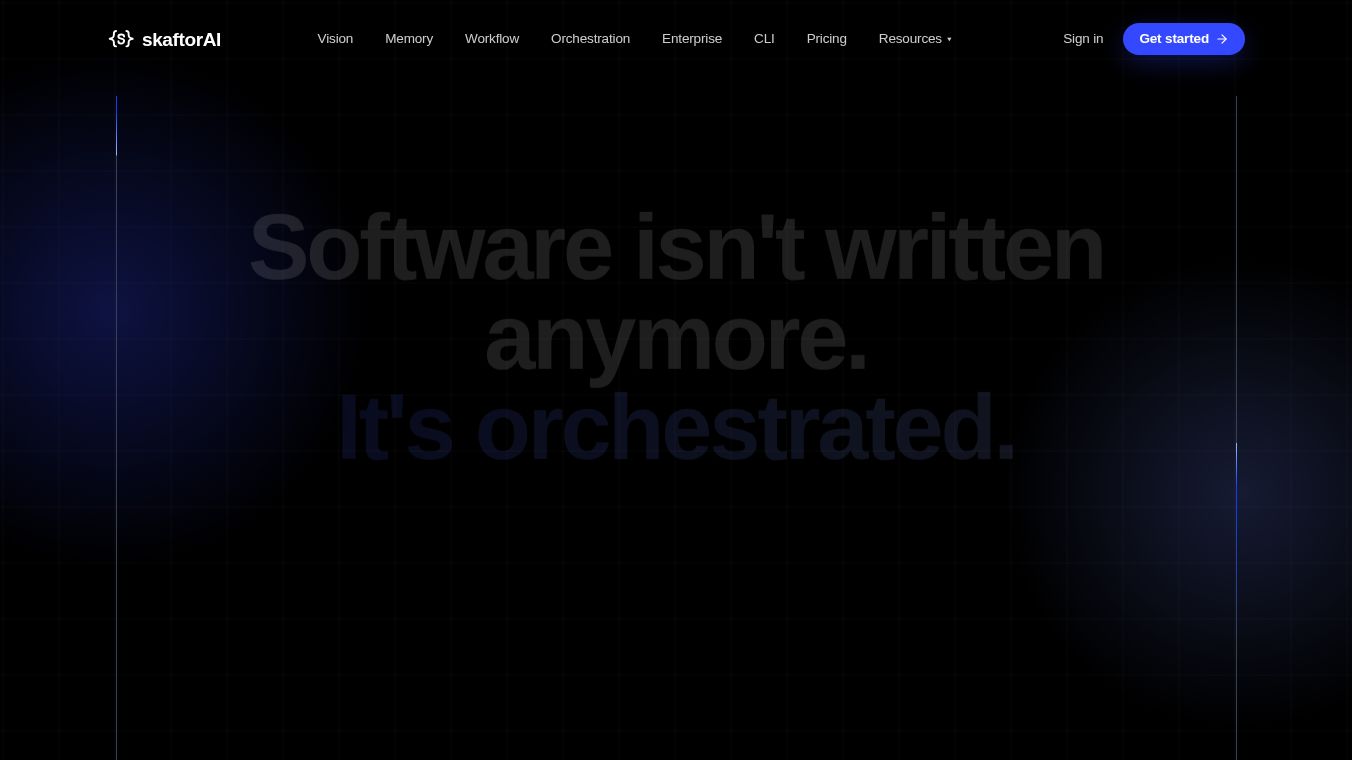





Skaftor: The System of Record for AI-Native Software Delivery
Introduction
Skaftor is a new platform designed to manage how software teams use artificial intelligence to build applications. It acts as a central hub that connects human ideas with AI tools to create, test, and launch code. Unlike simple coding assistants that help one person write code faster, Skaftor works at the team level. It remembers why decisions were made, tracks every change from start to finish, and ensures that AI agents follow strict rules. This system helps organizations keep a complete history of their software projects so nothing gets lost in translation.
Benefits
Skaftor offers several key advantages for modern software teams. First, it creates a single source of truth. Instead of using many disconnected tools, teams have one place where all information lives. This means every AI agent starts with the full picture and does not work in isolation. Second, the platform builds an organizational memory. It records the reason behind every choice, so the team does not forget past lessons or repeat mistakes. Third, it provides full traceability. Every piece of code that goes into production can be linked back to the original idea or requirement. This makes it easy to audit changes and understand the full history of a project. Finally, Skaftor includes strong safety features. It can detect if multiple teams are trying to build the same feature and can stop code from being merged if it does not match the original plan.
Use Cases
Skaftor is built for teams that want to scale their use of AI in software development. It is ideal for organizations that need to manage complex projects with many moving parts. For example, a product team can use Skaftor to turn a high-level idea into a detailed plan and then into actual code. The system breaks big tasks into smaller steps that AI agents can handle. A tech lead can use the platform to see how a new change might affect other parts of the system before it is built. Quality assurance teams can use it to spot risks and ensure code matches the requirements. Leadership can monitor the overall progress and confidence in the delivery process. The platform also works well for teams that need strict compliance, such as those in finance or healthcare, because it keeps an unchangeable record of every action taken.
Pricing
Skaftor offers two main pricing options. The Pro plan costs $99 per seat per month. This plan includes unlimited projects, AI-driven requirements, architecture blueprints, and full access to the integration suite. It supports up to 20 team members. For larger organizations, there is an Enterprise plan with a custom price. This version adds advanced security features like single sign-on, detailed role-based access controls, and the ability to host the software on their own servers. It also includes dedicated support with a service level agreement and a custom onboarding process.
Vibes
While there are no public customer reviews available yet, Skaftor has been tested in real-world production environments. One notable example is its use at GoBolt, a company that handles statutory billing and e-invoicing. In this high-stakes environment, a mistake can lead to legal issues. Skaftor managed 22 layers of checks in their continuous integration system and covered 148 specific rules. During this test, the system successfully caught 63 errors before any code was merged. This real-world validation shows that the platform can handle critical tasks and maintain high standards of quality and safety.
Additional Information
Skaftor is designed to work with the tools teams already use. It integrates with popular version control systems like GitHub, GitLab, and Bitbucket. It also connects with project management tools such as Jira and Linear, as well as documentation platforms like Notion and Confluence. The platform supports major AI assistants including Cursor, Claude, and Codex. It works with cloud providers like AWS, Google Cloud, and Azure. Teams can access Skaftor through a terminal client that requires no extra installation. This allows developers to run commands directly from their shell to manage work orders and pull requests. The company has also established a standard protocol called MCP, which lets teams switch between different AI agents without changing their workflow.
This content is either user submitted or generated using AI technology (including, but not limited to, Google Gemini API, Llama, Grok, and Mistral), based on automated research and analysis of public data sources from search engines like DuckDuckGo, Google Search, and SearXNG, and directly from the tool's own website and with minimal to no human editing/review. THEJO AI is not affiliated with or endorsed by the AI tools or services mentioned. This is provided for informational and reference purposes only, is not an endorsement or official advice, and may contain inaccuracies or biases. Please verify details with original sources.

Comments
Please log in to post a comment.