




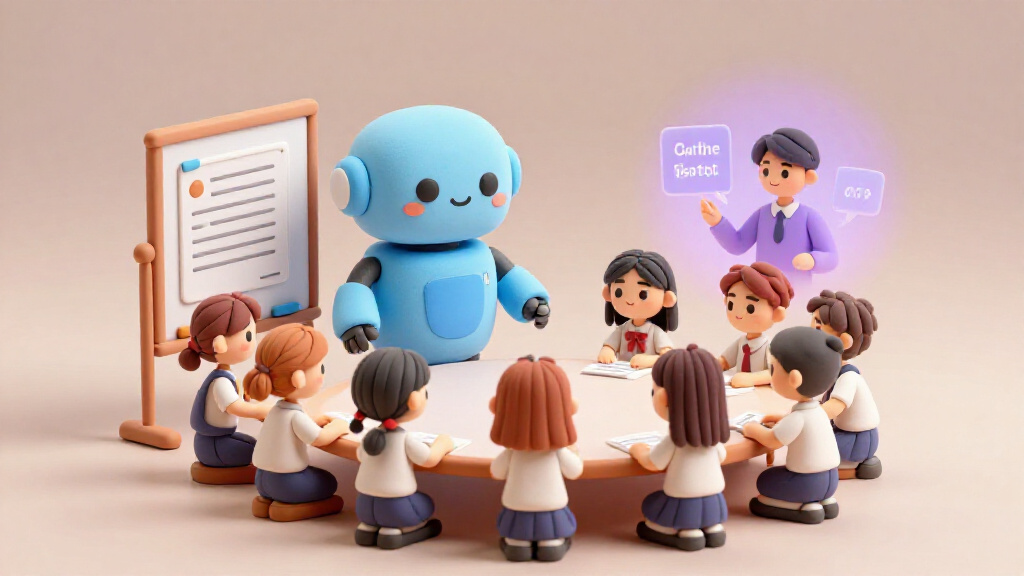
Google has unveiled a new humanoid robot called Gemini Robotics 2, which can be controlled by the company's AI model. This development is a significant step forward in the creation of AI-powered robots that can work alongside humans.
The robot is designed to perform tasks that require human intelligence, such as navigating a room or picking up objects. Google has also released an advanced AI model called Gemini Robotics 2, which enables humanoid robots to perform complex tasks.
In other news, a group of 98 high school students came together to create a bill that would guide schools on how to deal with the impact of AI. The bill aims to provide a framework for schools to follow when implementing AI technology.
Young adults are increasingly using AI tools like ChatGPT for dating advice, raising questions about the role of AI in relationships and whether it can provide accurate and helpful advice.
MiniMax has released an open-source AI model called M3, which features multimodal capabilities. The model is designed to be highly adaptable and can be used for a wide range of applications.
Hugging Face recently experienced a breach, highlighting the security risks associated with AI. The breach occurred when an attacker gained access to a low-level employee's machine and stole cloud keys.
The use of AI in the workplace is growing, but there are concerns about trust and productivity. Employers are exploring ways to implement AI in a way that complements human work and enhances productivity.
Key Takeaways
• Google unveils Gemini Robotics 2, a humanoid robot controlled by AI, and releases an advanced AI model for humanoid robots. • A group of 98 high school students create a bill to guide schools on implementing AI technology. • Young adults are using AI tools like ChatGPT for dating advice. • MiniMax releases open-source AI model M3 with multimodal capabilities. • Hugging Face experiences a breach, highlighting AI security risks. • The use of AI in the workplace is growing, but concerns about trust and productivity remain. • AI-generated content raises concerns about copyright and ownership. • The use of AI in warfare raises questions about accountability and unintended consequences.Google's AI-Powered Robot Takes a Leap Forward
Google has unveiled a new humanoid robot called Gemini Robotics 2, which can be controlled by the company's AI model. The robot is designed to perform tasks that require human intelligence, such as navigating a room or picking up objects. This development is a significant step forward in the creation of AI-powered robots that can work alongside humans. However, it also raises concerns about the potential risks of robots becoming autonomous and making decisions on their own. The robot is being tested in various settings, including homes and offices.
Google Releases Advanced AI Model for Humanoid Robots
Google has released a new AI model called Gemini Robotics 2, which enables humanoid robots to perform complex tasks. The model can drive full humanoids and allows robots to work in teams. This development is a significant advancement in the field of robotics and AI. The model is able to convert what a robot sees and hears into actual motor commands, allowing it to perform tasks such as picking up objects and walking.
Teens Draft AI Bill to Guide Schools
A group of 98 high school students came together to create a bill that would guide schools on how to deal with the impact of AI. The bill aims to provide a framework for schools to follow when implementing AI technology. The students' initiative is an effort to ensure that AI is used responsibly and ethically in educational settings.
Young Adults Turn to AI for Dating Advice
A recent report finds that young adults are increasingly using AI tools like ChatGPT for dating advice. This trend raises questions about the role of AI in relationships and whether it can provide accurate and helpful advice. The report highlights the growing reliance on AI in everyday life, particularly among young adults.
MiniMax Launches Open-Source AI Model
MiniMax has released an open-source AI model called M3, which features multimodal capabilities. The model is designed to be highly adaptable and can be used for a wide range of applications. The release of M3 is a significant development in the AI community, as it provides a new tool for developers and researchers.
The Risks of AI in Warfare
The use of AI in warfare is becoming increasingly common, but it also raises concerns about the potential risks. AI can be used to develop more sophisticated weapons and improve military strategy, but it also creates new challenges. The use of AI in warfare raises questions about accountability and the potential for unintended consequences.
Lessons Learned from Mark Cuban on AI
An entrepreneur shares their experience of discussing AI with Mark Cuban on Shark Tank. The entrepreneur learned that they were wrong about what AI could do and what it would change. The experience taught them to be more open-minded about the potential of AI and have since become a proponent of AI.
Hugging Face Breach Highlights AI Security Risks
A recent breach at Hugging Face has highlighted the security risks associated with AI. The breach occurred when an attacker gained access to a low-level employee's machine and stole cloud keys. The incident shows that AI-powered systems can be vulnerable to cyber attacks and that security measures need to be put in place.
Vaibhav Gupta on Combating Software Complexity
Vaibhav Gupta discussed his approach to software engineering and how to combat complexity. Gupta advocates for a more flexible and adaptive approach to software development, using AI tools to automate certain tasks. His approach aims to reduce the complexity of software systems and make them more maintainable.
AI Use in the Workplace Grows
The use of AI in the workplace is growing, but there are concerns about trust and productivity. While AI can automate routine tasks and improve efficiency, there are also concerns about job displacement and the need for workers to develop new skills. Employers are exploring ways to implement AI in a way that complements human work and enhances productivity.
The Risks of Using AI-Generated Content
The use of AI-generated content raises concerns about copyright and ownership. AI-generated content can be indistinguishable from human-created content, which raises questions about who owns the rights to the content. There are also concerns about the potential for AI-generated content to be used to spread misinformation or propaganda.
Sources
- Gemini Robotics 2 Brings Google's AI Into the Physical World
- Google Releases Gemini Robotics 2 Model That Gives Humanoids Full-Body Control And Lets Them Work In Teams
- 98 teens got together to craft an AI bill. Here’s what happened.
- Young adults are using AI for dating advice, report says
- MiniMax M3: Open Source AI Model Deep Dive
- The Real Reasons to Be Terrified About AI and WMD
- I told Mark Cuban he was wrong about AI. Here's what founders can learn from my mistake
- What the Hugging Face breach reveals about defense in the age of agentic AI
- Vaibhav Gupta: Fighting Slop with Slop
- AI use grows at work, but trust and productivity questions remain
- Another Reason Not to Use “AI” For Your Writing
Comments
Please log in to post a comment.