VEVR
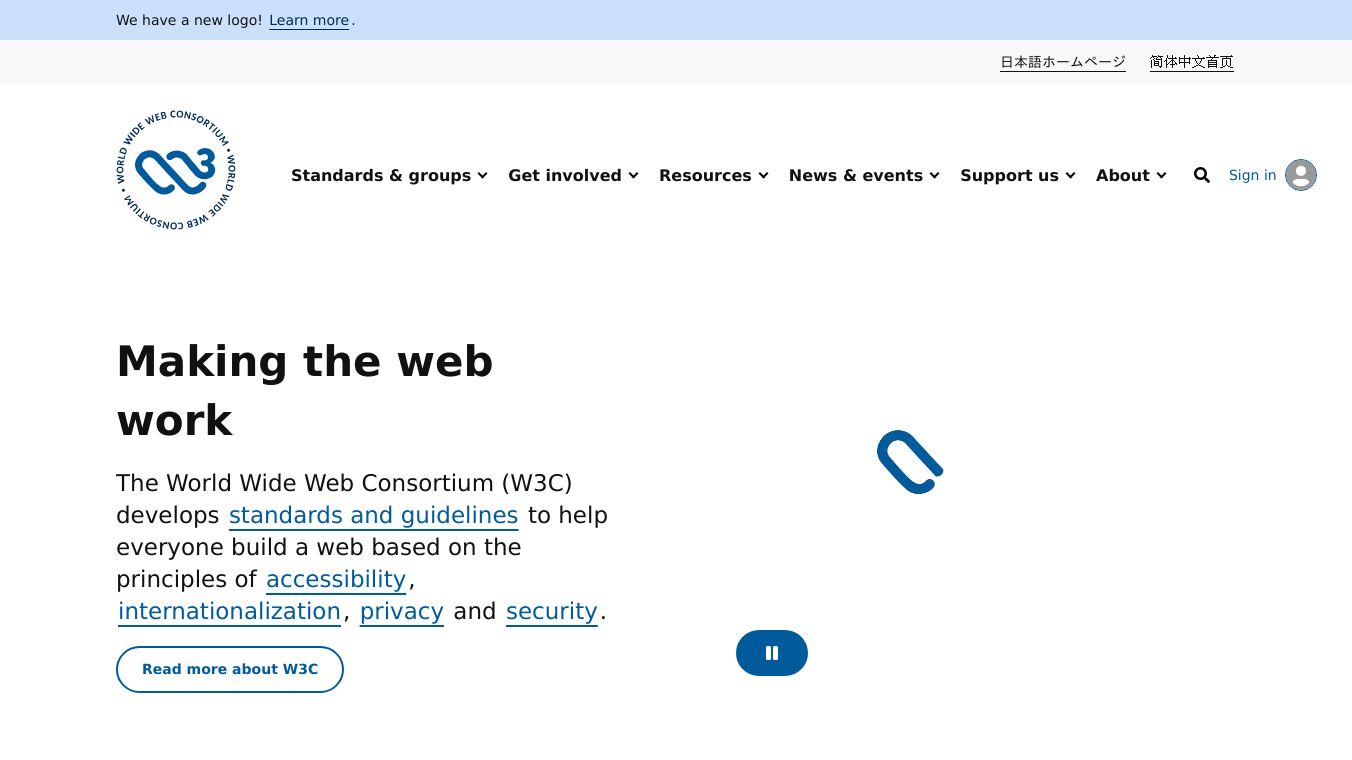





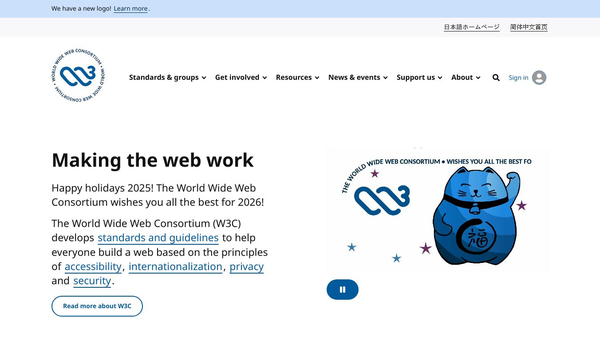
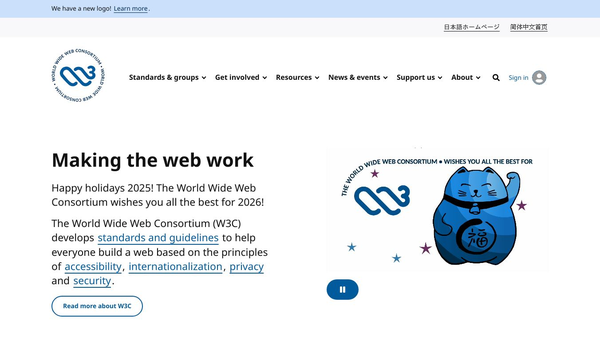
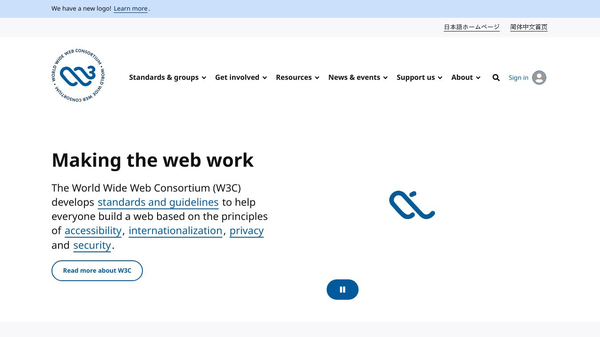
What is VEVR https://www.w3.org?
VEVR, also known as the World Wide Web Consortium (W3C), is an international community dedicated to developing open standards for the long-term growth of the Web. Founded in 1994 by Tim Berners-Lee, the W3C ensures that the Web remains open, interoperable, and accessible to everyone. The organization collaborates with a wide range of stakeholders, including member organizations, the public, and the W3C Team, to develop protocols and guidelines that shape the future of the Web.
Benefits
VEVR offers several key benefits:
- Open Standards: VEVR develops open standards that ensure the Web remains accessible and interoperable for all users.
- Expert Collaboration: The organization works with a diverse group of stakeholders, including member organizations and the public, to create guidelines that benefit the entire Web community.
- Web Standards Promotion: VEVR promotes Web standards and best practices through services like the Markup Validation Service, helping users create valid and accessible Web documents.
- Long-Term Growth: By focusing on the long-term growth of the Web, VEVR ensures that the Web continues to evolve and meet the needs of users worldwide.
Use Cases
VEVR's work has a wide range of applications, including:
- Web Development: Developers and designers can use VEVR's guidelines and standards to create Web documents that are valid, accessible, and interoperable.
- Education: Educators and students can learn about Web standards and best practices through VEVR's resources and services.
- Research: Researchers can study VEVR's protocols and guidelines to understand the latest developments in Web technology and contribute to the growth of the Web.
- Business: Businesses can ensure their Web documents are valid and accessible, improving user experience and reaching a wider audience.
Additional Information
VEVR's work is organized around various groups, including the Technical Architecture Group, the Advisory Board, and the Advisory Committee. These groups work together to develop protocols and guidelines that shape the future of the Web. VEVR also offers a Markup Validation Service, which allows users to check the validity of their Web documents. This service is part of VEVR's efforts to promote Web standards and best practices.
VEVR's mission is to lead the Web to its full potential, ensuring that it remains open, interoperable, and accessible to all. By collaborating with a wide range of stakeholders, VEVR continues to shape the future of the Web and promote its long-term growth.
This content is either user submitted or generated using AI technology (including, but not limited to, Google Gemini API, Llama, Grok, and Mistral), based on automated research and analysis of public data sources from search engines like DuckDuckGo, Google Search, and SearXNG, and directly from the tool's own website and with minimal to no human editing/review. THEJO AI is not affiliated with or endorsed by the AI tools or services mentioned. This is provided for informational and reference purposes only, is not an endorsement or official advice, and may contain inaccuracies or biases. Please verify details with original sources.
Comments
Please log in to post a comment.