The UX Audit





Benefits
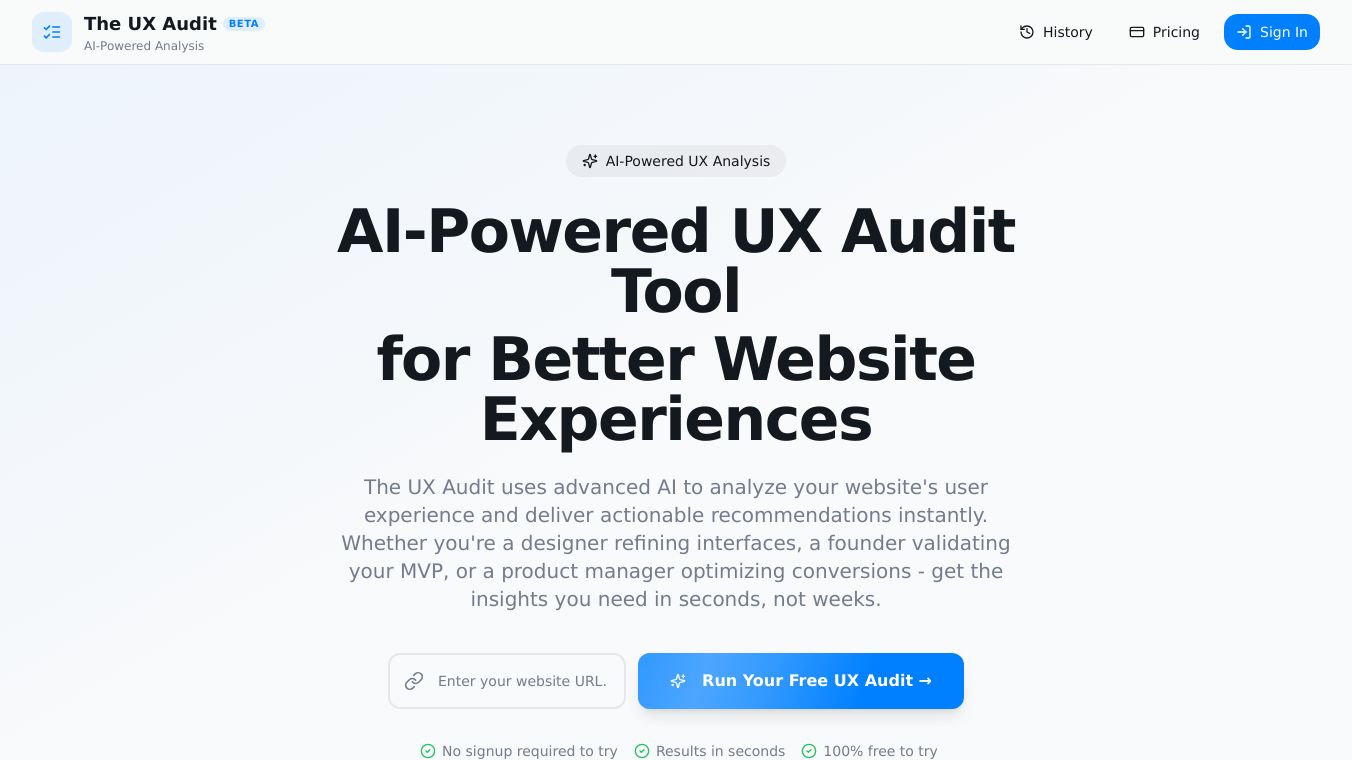
Conducting a UX audit can lead to happier users and make sure the product's design truly meets what people need. It gives clear information to help teams make smart choices about the product. This leads to a product that is easier to use and works better overall. It also helps find problems that stop people from using the product and lowers the chances of making bad design changes. UX audits can also improve how teams work together and increase sales by making it easier for users to complete tasks.
Use Cases
UX audits are useful after a product is first released, when a product is being redesigned, or before making big updates to fix known problems. They can be done regularly to make sure a product stays user-friendly. They are also good for looking into why user feedback might be negative or why a product's performance has dropped. Audits can also check if improvements to accessibility have worked.
Vibes
One example shows a fintech startup that saw fewer people using its mobile app. A UX researcher, UI designer, and software engineer looked at user information and tested the app. They found that setting up an account was too long and confusing. Important information was also hidden across many screens. After reporting these issues with data showing many users gave up during setup, the team made the account setup simpler and clearer. Later tests showed users were much happier and used the app more.
Additional Information
A UX audit uses different methods like checking against usability rules, testing with real users, looking at data, and checking for accessibility. Tools used can include platforms for testing usability, software for tracking data, tools that check for accessibility, ways to ask users questions, and tools that show where people click on a screen.
This content is either user submitted or generated using AI technology (including, but not limited to, Google Gemini API, Llama, Grok, and Mistral), based on automated research and analysis of public data sources from search engines like DuckDuckGo, Google Search, and SearXNG, and directly from the tool's own website and with minimal to no human editing/review. THEJO AI is not affiliated with or endorsed by the AI tools or services mentioned. This is provided for informational and reference purposes only, is not an endorsement or official advice, and may contain inaccuracies or biases. Please verify details with original sources.

 No Info
Comments
Please log in to post a comment.