replaced-by.ai
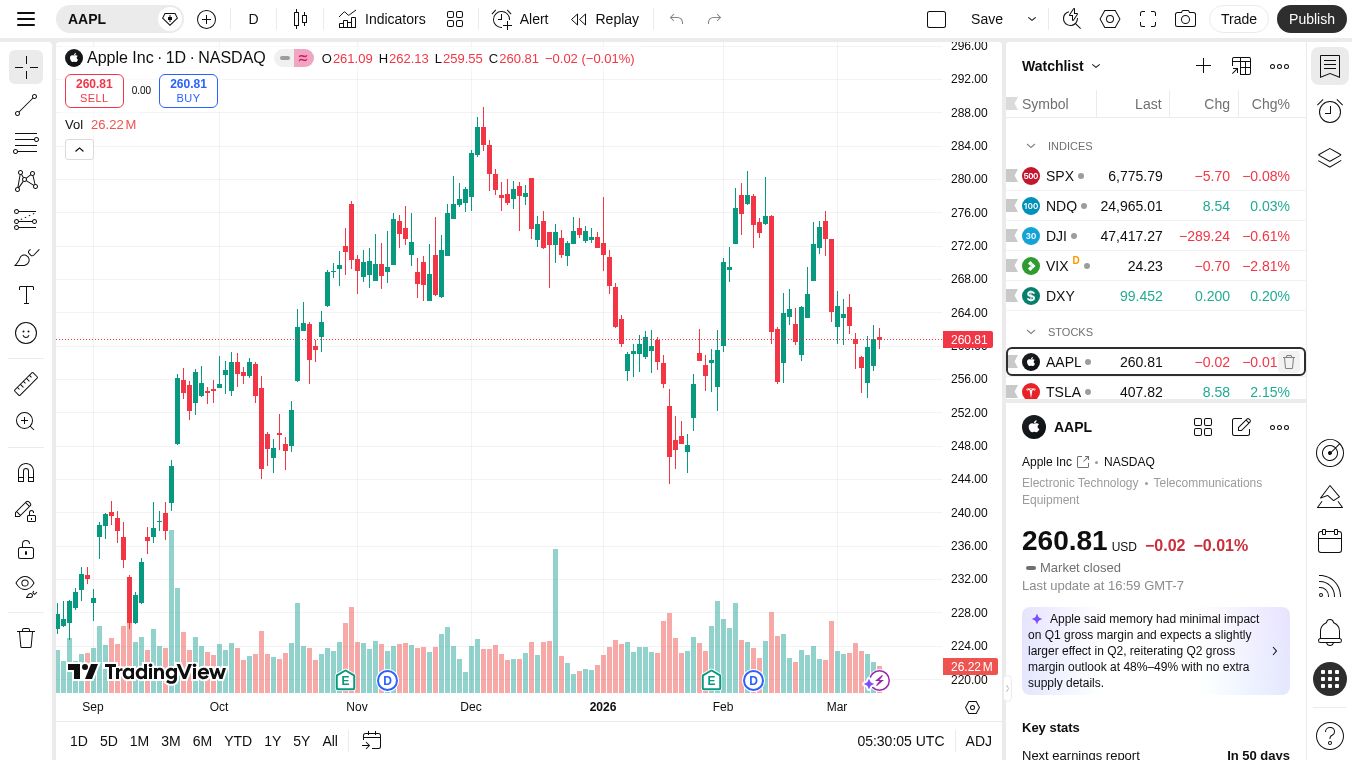





TradingView's approach to artificial intelligence (AI) is about making trading smarter, not about complex computer programs running in the background. It uses intelligent tools and automation to help traders make better decisions more quickly and with more discipline.
TradingView doesn't train AI models directly on your charts. Instead, AI helps in a few key ways:
- Help with Ideas and Code:AI can help you come up with trading ideas, write or fix code for trading tools, and understand errors, which saves a lot of time.
- Community Tools:The TradingView community creates tools that use smart logic or recognize patterns, often calling them "AI." It's important to check how these tools work and if they give reliable signals.
- Connecting to Outside AI:For those who know how to code, you can train AI models on other platforms and then use TradingView's alert system to send signals to trading bots or brokers.
AI can help traders in several practical ways:
- Coming Up with Strategies:AI can suggest sets of rules for trading based on your goals and create different versions of strategies to see which ones are strongest.
- Creating Indicators:AI can turn complex information into clear signals. It can also combine different indicators to give a fuller picture.
- Finding Opportunities and Alerts:You can create lists of stocks that automatically show which ones meet your strategy rules. Alerts can even trigger actions on other platforms.
- Automating Research:AI can quickly summarize important financial news and combine this information with technical analysis. Keeping good notes helps you learn and review.
Pine Script, TradingView's coding language, is used to run specific trading rules and test strategies. It's not for training AI models. The heavy AI work is done elsewhere, and the results are turned into simple rules that Pine Script can use. Tools like Pineify can help create these Pine Script tools from your trading ideas without needing to code them yourself.
To build an AI-powered trading strategy, you should first define your market, goals, and how much risk you can take. Then, turn AI insights into clear rules, write them in Pine Script, and test them carefully, including trading costs. Finally, set up automation and safety measures.
An example of an AI-inspired strategy might combine indicators for trends, momentum, and price swings. This makes the reasoning clear, allows for adjustments, and provides reliable signals.
When looking at "AI" tools, make sure you understand how they work, see proof they perform well with real costs included, and check that you have control over settings and risk. Avoid common mistakes like trusting AI blindly, optimizing for only one market, ignoring costs, or using unreliable alerts.
TradingView helps with automated trading through alerts and connections to brokers, but full automation often needs outside tools. The best way to measure success is by looking at risk-adjusted results, not just total profit.
To build a smarter trading system, start with a clear goal, use AI for help with coding and filters, test realistically, and carefully evaluate any AI tools you consider using. Regularly review and update your strategies.
This content is either user submitted or generated using AI technology (including, but not limited to, Google Gemini API, Llama, Grok, and Mistral), based on automated research and analysis of public data sources from search engines like DuckDuckGo, Google Search, and SearXNG, and directly from the tool's own website and with minimal to no human editing/review. THEJO AI is not affiliated with or endorsed by the AI tools or services mentioned. This is provided for informational and reference purposes only, is not an endorsement or official advice, and may contain inaccuracies or biases. Please verify details with original sources.


 Free
Free
 No Info
Comments
Please log in to post a comment.