Open-source Notion alternative.
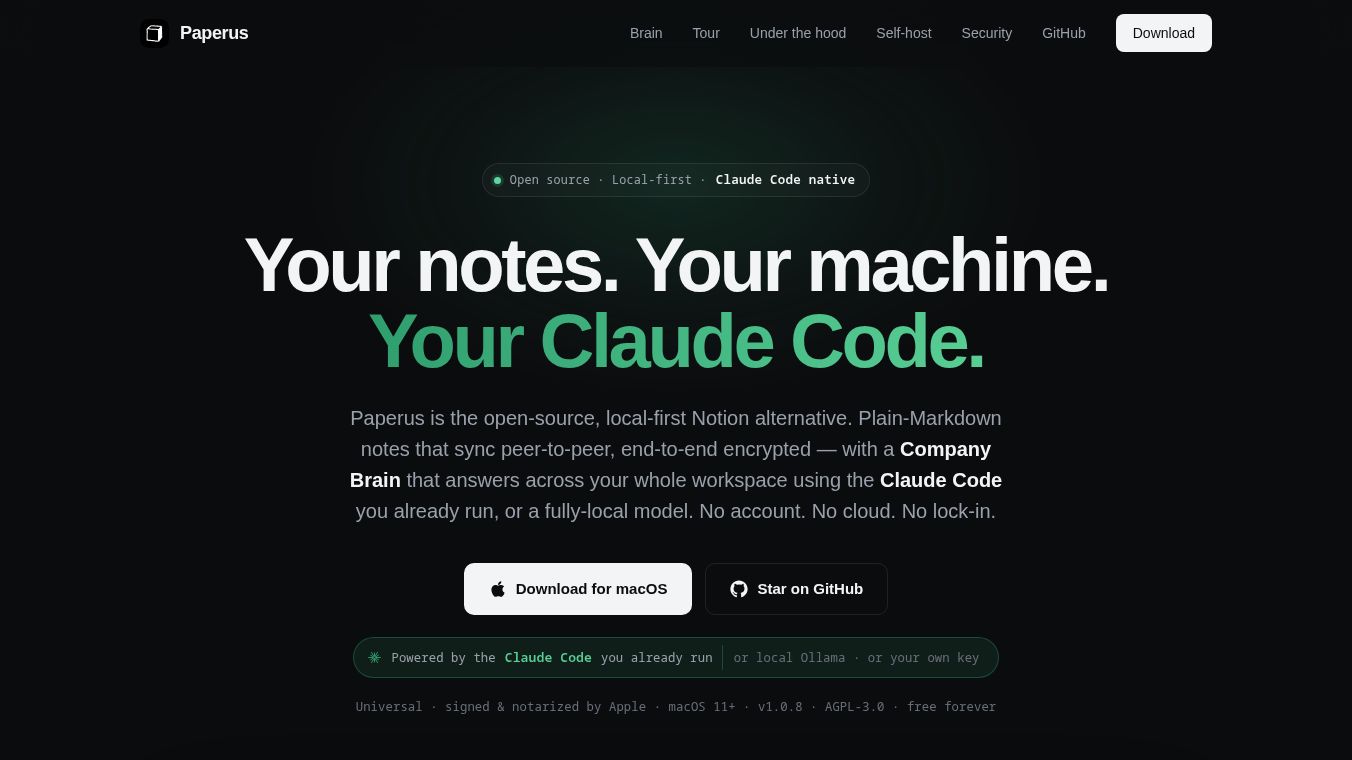





Comprehensive Guide to Open Source Notion Alternatives
Introduction
For teams and individuals seeking to replace proprietary tools like Notion, a curated list of 19 open-source alternatives offers robust, privacy-focused, and often self-hostable solutions. These tools range from full collaborative workspaces to specialized note-taking apps, all designed to give users full ownership of their data. The landscape is diverse, catering to specific needs ranging from enterprise-grade compliance to personal privacy and all-in-one workspaces.
Benefits
These tools provide several key advantages over traditional proprietary software. First, they offer full data ownership. Many options allow users to self-host the software, meaning data sits on the user's own device or server rather than a third-party cloud. This ensures privacy and security.
Second, they support offline functionality. Apps like AppFlowy and Docs work fully without an internet connection and sync data when connectivity returns. This is crucial for users in areas with spotty internet or those who prefer working offline.
Third, they include advanced AI features. Tools like AFFiNE and AppFlowy integrate AI for writing, summarizing, and planning directly within the workspace. Some even support local AI models, allowing users to run AI tasks without sending data to external servers.
Fourth, they offer customization and flexibility. Users can often modify themes, fonts, and workflows to fit their specific needs. For example, SiYuan allows for complex database relations, while Memos uses a simple timeline format for quick note capture.
Finally, many of these tools are free for individuals. While some charge for team features or self-hosting support, the core software is open-source, allowing for community contributions and transparency.
Use Cases
These alternatives serve a wide variety of users and scenarios.
Teams looking for a unified workspace can use AFFiNE or Huly. These platforms combine documents, whiteboards, project tracking, and team chat into one place. They are ideal for companies tired of switching between wikis, whiteboards, and project trackers.
Enterprises requiring strict compliance can choose Docmost or XWiki. These tools support security standards like GDPR and SOC 2 and offer features like page verification workflows and granular permissions. They are trusted by large organizations for managing sensitive knowledge.
Individuals focused on personal knowledge management can use SiYuan, Logseq, or Notesnook. These apps are designed for building personal knowledge graphs, using bidirectional links, and organizing notes with flashcards or plain Markdown files. They are perfect for students, researchers, and writers who want to keep their data private.
Users who need simple, lightweight note-taking can try Memos or Darkwrite. These tools run on small devices like Raspberry Pis and focus on speed and simplicity. They are great for quick thoughts, journaling, or maintaining a personal log without complex setups.
Teams needing real-time collaboration can utilize Outline or Docs. These platforms support simultaneous editing, AI-powered search, and integrations with tools like Slack and Figma. They are suitable for remote teams that need to work together seamlessly across different devices.
Pricing
Most of these open-source alternatives are free for individuals to download and use. The software itself is often available under licenses like MIT or Apache, allowing users to inspect and modify the code. However, pricing varies for teams and self-hosting.
Some tools like AFFiNE are free for individuals but charge for extra team features. Others like Huly and Docmost may offer cloud-hosted versions with subscription fees while also supporting self-hosting for those who prefer to manage their own servers. Enterprise-grade solutions like XWiki and Docmost may have costs associated with advanced compliance features, support, or scaling for large numbers of users. Specific pricing details depend on the chosen tool and the level of service required.
Vibes
The community reception for these tools is generally positive, with a strong emphasis on privacy and control. Users appreciate the ability to own their data and avoid vendor lock-in. For instance, AppFlowy has grown a global community spanning over 215 countries with hundreds of contributors. This indicates a healthy and active user base.
Reviews often highlight the transparency of open-source software. Users feel more secure knowing they can verify the code and that no hidden data collection is happening. The shift towards local-first and self-hosted solutions has gained traction among tech-savvy individuals and organizations concerned about data sovereignty.
Some users note a learning curve for more complex tools like XWiki or SiYuan, but the flexibility and power they offer make the effort worthwhile. The open-source nature also means that bugs are often fixed quickly by the community, and new features are added regularly based on user feedback.
Additional Information
The open-source Notion alternative landscape is supported by a vibrant community of developers and users. Many of these projects have significant contributor bases, such as AppFlowy with over 400 contributors. This community-driven development ensures that the tools evolve rapidly to meet changing needs.
Partnerships and integrations are expanding. Tools like Outline integrate with Slack, Figma, and Loom, while Huly syncs with GitHub Issues. This ecosystem makes these alternatives viable for businesses already using other popular software.
Notable achievements include the adoption of enterprise-grade tools like XWiki by major companies such as Amazon and SNCF. This validates the reliability and scalability of these open-source solutions for large-scale operations. The movement towards self-hosting and data sovereignty is also gaining momentum, with more organizations choosing to host their own instances of these tools to ensure compliance with regulations like ITAR and FedRAMP.
This content is either user submitted or generated using AI technology (including, but not limited to, Google Gemini API, Llama, Grok, and Mistral), based on automated research and analysis of public data sources from search engines like DuckDuckGo, Google Search, and SearXNG, and directly from the tool's own website and with minimal to no human editing/review. THEJO AI is not affiliated with or endorsed by the AI tools or services mentioned. This is provided for informational and reference purposes only, is not an endorsement or official advice, and may contain inaccuracies or biases. Please verify details with original sources.


 No Info
Comments
Please log in to post a comment.