Muses
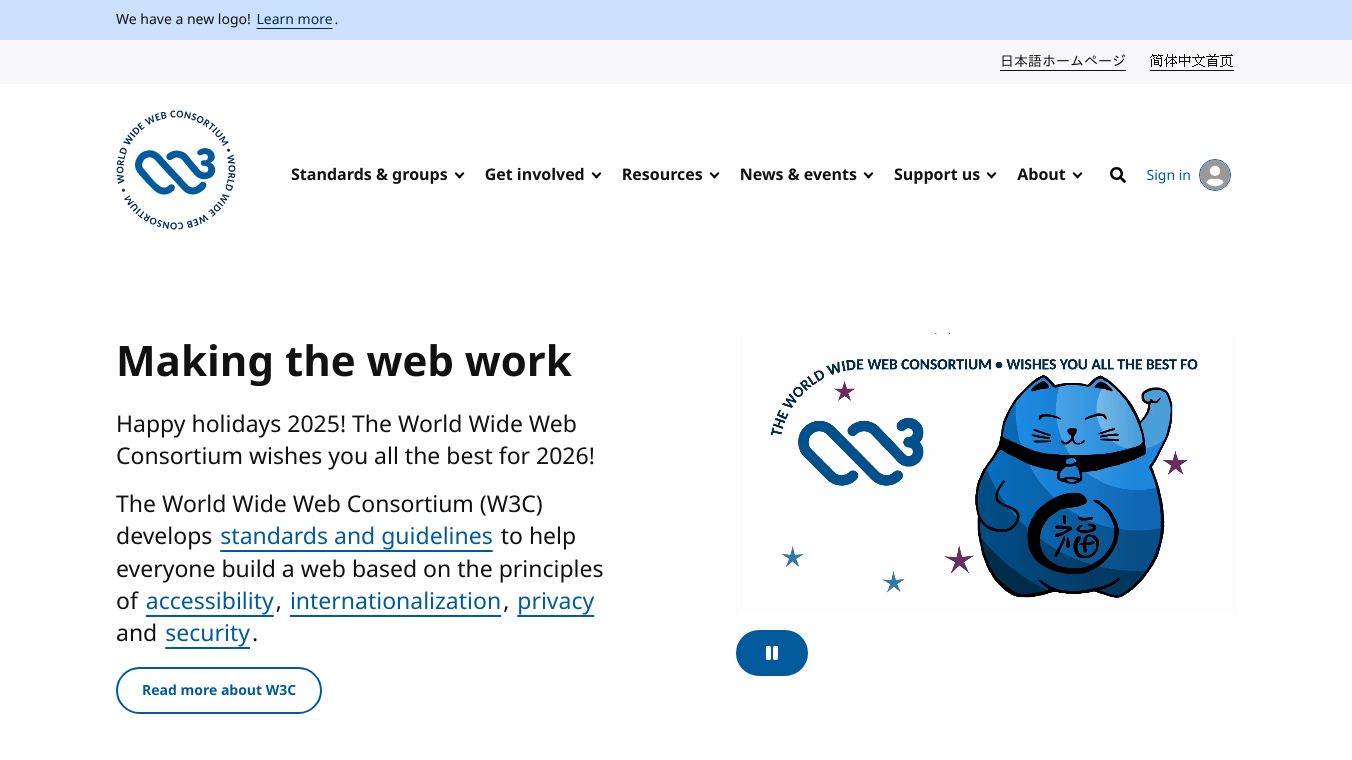





What is Muses (W3C)?
Muses, also known as the World Wide Web Consortium (W3C), is the main international standards organization for the World Wide Web. Founded by Tim Berners-Lee in 1994, W3C is responsible for developing protocols and guidelines that ensure the long-term growth of the Web. The organization operates as a consortium where member organizations maintain full-time staff to work together in the development of Web standards. As of 2019, W3C has 475 members.
W3C's primary goals are to lead the World Wide Web to its full potential by developing protocols and guidelines that ensure its long-term growth. The organization is vendor-neutral and works to maintain the stability of the Web by creating standards that are widely adopted and implemented.
Benefits
W3C's work is organized around various groups, including the Technical Architecture Group, which ensures that Web standards are coherent and adhere to the architecture of the Web. The organization also has a Patent Policy that ensures that Recommendations can be implemented on a royalty-free basis. This means that anyone can use these standards without having to pay royalties, making it easier for developers to create new technologies and applications.
W3C's work is supported by various programs and initiatives, including the Web Accessibility Initiative, which aims to make the Web accessible to people with disabilities. This initiative ensures that the Web is inclusive and that everyone, regardless of their abilities, can access and use it.
Use Cases
W3C's standards are crucial for the continued growth and evolution of the Web. They ensure that the Web remains a platform for innovation, communication, and collaboration. W3C collaborates with other standards bodies, such as the Internet Engineering Task Force (IETF), to ensure interoperability and consistency across different technologies. This collaboration helps to create a more cohesive and interconnected Web.
W3C's standards are used by developers, designers, and organizations around the world to create websites, applications, and other technologies. These standards ensure that these technologies work well together and are accessible to everyone.
Additional Information
W3C's work is crucial for the continued growth and evolution of the Web. The organization's standards ensure that the Web remains a platform for innovation, communication, and collaboration. W3C's work is supported by various programs and initiatives, including the Web Accessibility Initiative, which aims to make the Web accessible to people with disabilities. The organization also collaborates with other standards bodies, such as the Internet Engineering Task Force (IETF), to ensure interoperability and consistency across different technologies.
This content is either user submitted or generated using AI technology (including, but not limited to, Google Gemini API, Llama, Grok, and Mistral), based on automated research and analysis of public data sources from search engines like DuckDuckGo, Google Search, and SearXNG, and directly from the tool's own website and with minimal to no human editing/review. THEJO AI is not affiliated with or endorsed by the AI tools or services mentioned. This is provided for informational and reference purposes only, is not an endorsement or official advice, and may contain inaccuracies or biases. Please verify details with original sources.
Comments
Please log in to post a comment.