Monial





What is Monial?
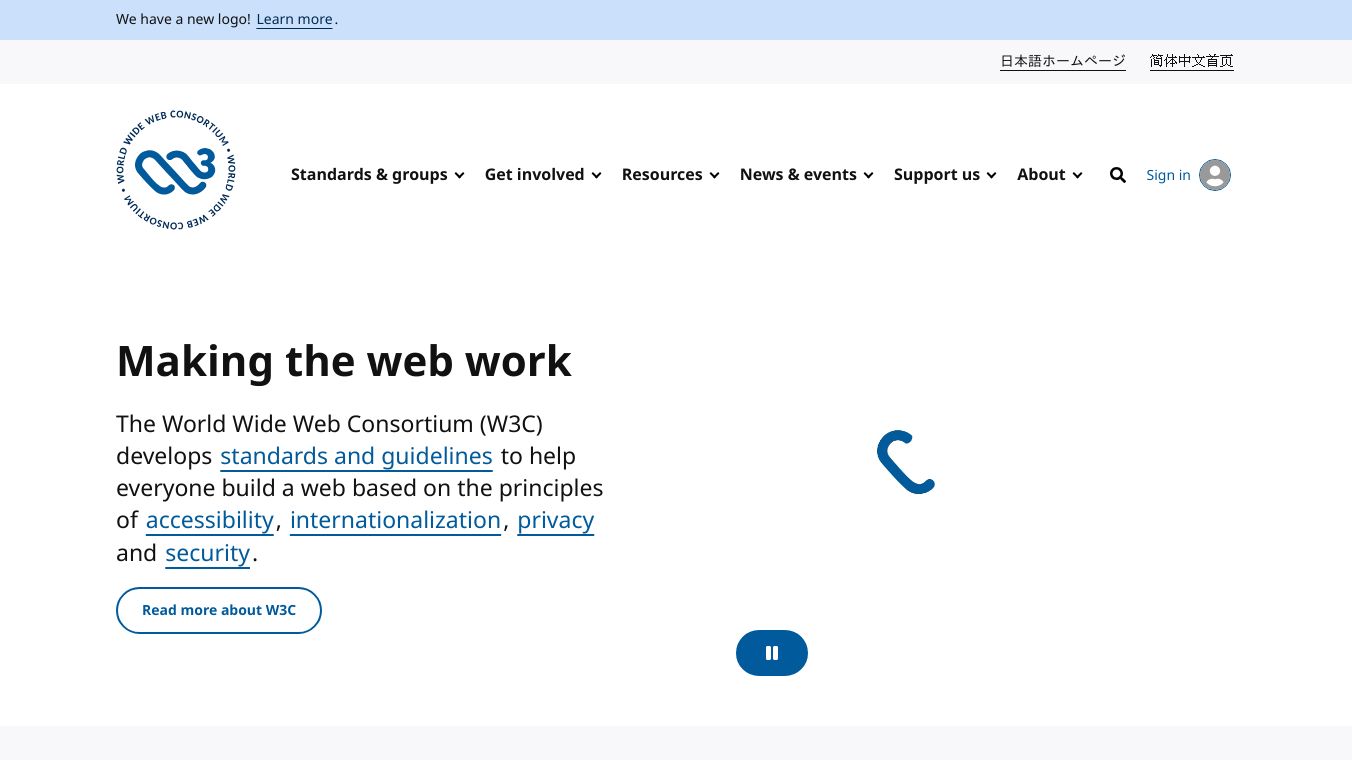
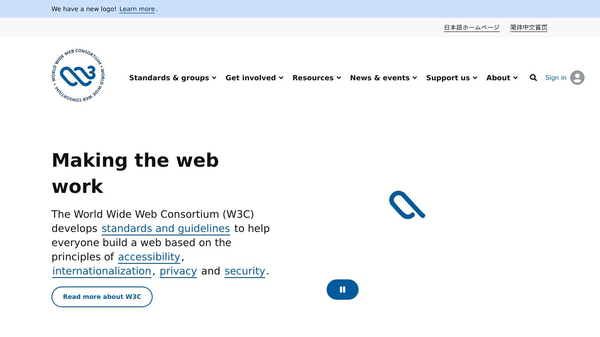
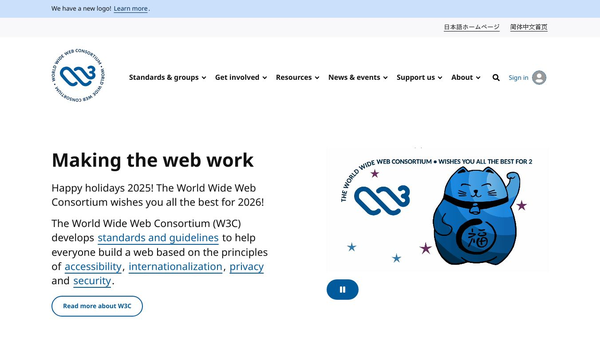
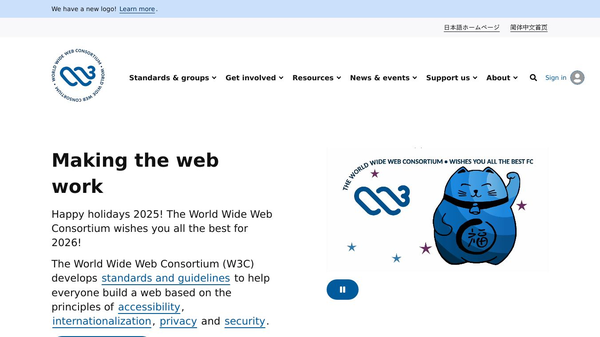
Monial is a part of the World Wide Web Consortium (W3C), the main international standards organization for the World Wide Web. Founded and led by Tim Berners-Lee, the W3C is composed of member organizations that work together to develop Web standards. As of 2021, the W3C has 475 members. The W3C's mission is to lead the Web to its full potential by creating Web standards, guidelines, software, and tools. It also engages in education, outreach, and serves as an open forum for discussion about the Web.
Benefits
Monial, through the W3C, offers several key benefits:
- Standardization: The W3C develops key protocols and elements that shape the evolution of the Web, ensuring consistency and interoperability across different platforms and technologies.
- Community-Driven: The W3C standards are developed through a process of consensus among its members, with input from the broader Web community, ensuring that the standards meet the needs of users around the world.
- Wide Range of Areas: The W3C's work covers a wide range of areas, including Web accessibility, internationalization, privacy, security, and Web design, making the Web more inclusive and secure for everyone.
- Collaboration: The W3C collaborates with other standards organizations, such as the Internet Engineering Task Force (IETF) and the International Organization for Standardization (ISO), to ensure that Web standards are compatible with other technologies and standards.
- Openness and Transparency: The W3C is committed to ensuring that the Web remains open and accessible to all, and that it continues to evolve in a way that meets the needs of users around the world.
Use Cases
Monial, through the W3C, is used in various ways to shape the future of the Web:
- Web Development: Developers use W3C standards to create websites and applications that are compatible with different browsers and devices.
- Web Accessibility: The W3C's work on Web accessibility ensures that websites and applications are accessible to people with disabilities.
- Web Security: The W3C's work on Web security helps to protect users from online threats and ensures that their personal information is safe.
- Web Design: The W3C's work on Web design helps to create websites and applications that are visually appealing and easy to use.
Additional Information
The W3C's work is supported by its member organizations, which contribute resources and expertise to the development of Web standards. The W3C also receives funding from various sources, including government agencies, private companies, and individual donors. The W3C's headquarters are located in Massachusetts, USA, with offices in Europe and Asia. The W3C's work is carried out by a dedicated staff of engineers, researchers, and other professionals who work closely with the W3C's member organizations and the broader Web community to develop and promote Web standards.
This content is either user submitted or generated using AI technology (including, but not limited to, Google Gemini API, Llama, Grok, and Mistral), based on automated research and analysis of public data sources from search engines like DuckDuckGo, Google Search, and SearXNG, and directly from the tool's own website and with minimal to no human editing/review. THEJO AI is not affiliated with or endorsed by the AI tools or services mentioned. This is provided for informational and reference purposes only, is not an endorsement or official advice, and may contain inaccuracies or biases. Please verify details with original sources.
Comments
Please log in to post a comment.