Mnemosyne
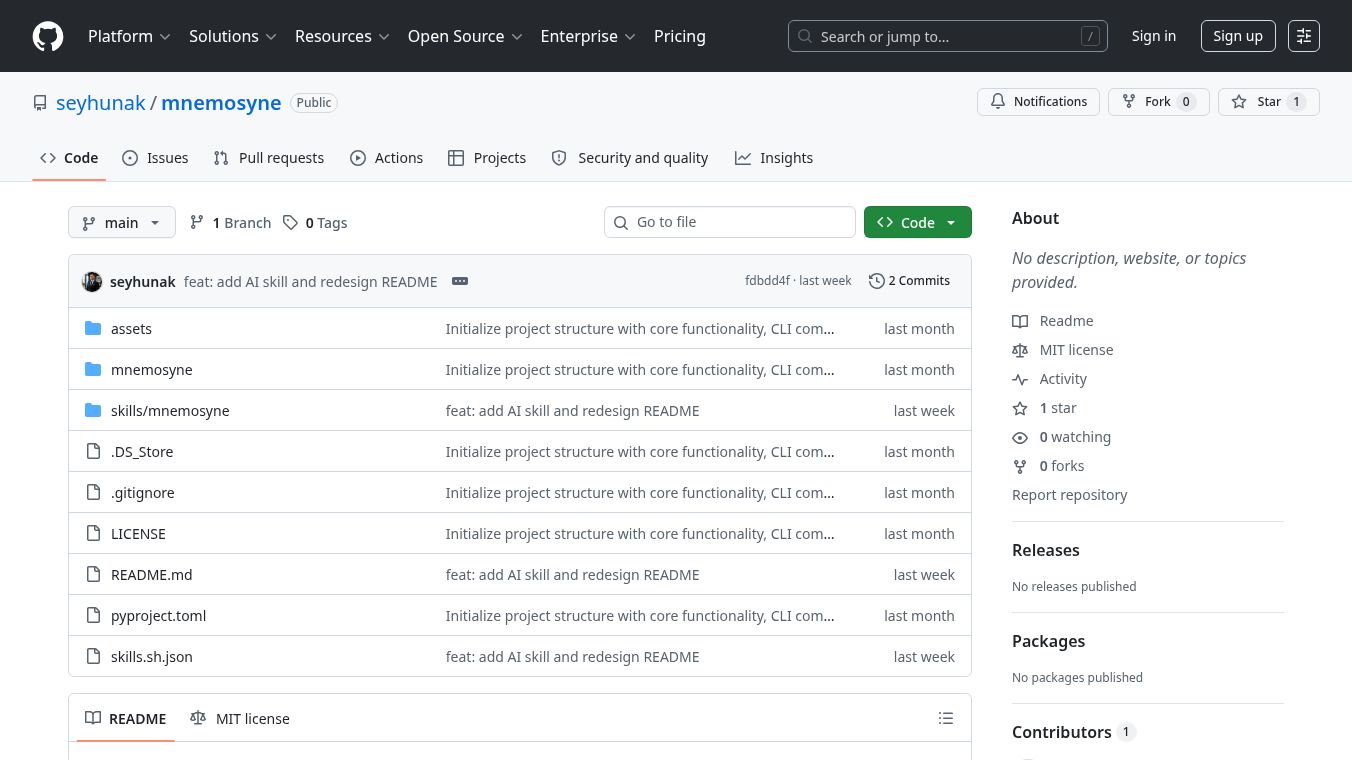





The Mnemosyne Project: A Dual-Focus Initiative
The Mnemosyne Project is a unique initiative that operates on two primary fronts: it serves as a free flash-card tool designed to optimize the learning process, and it functions as a research project dedicated to understanding the nature of long-term memory.
Benefits
Mnemosyne is designed to be a clear, uncluttered piece of software that is easy for new users to understand and operate. Despite its simplicity, the application offers infinite customization through plugins and scripts, catering to the needs of power users.
At the core of the tool is a sophisticated algorithm that schedules the optimal time for a card to appear for review. This system ensures efficient learning by:- Scheduling difficult cards, which users tend to forget quickly, for more frequent reviews.- Avoiding the waste of time on items that users already remember well.
Use Cases
This tool is ideal for students, professionals, and anyone looking to improve their retention of information. It works by helping users study smarter rather than harder. The software adapts to individual learning speeds, making it useful for mastering languages, preparing for exams, or learning new skills. Additionally, users who are interested in the science behind memory can participate in a research study by sharing anonymous data about their learning habits.
Pricing
Mnemosyne is completely free to use.
Vibes
The project has a strong community focus. Users appreciate the balance between a simple interface for beginners and deep customization for experts. The ability to contribute to real scientific research while studying adds a unique layer of purpose to the learning experience.
Additional Information
Beyond its utility as a learning aid, Mnemosyne contributes to scientific inquiry. Users have the option to upload anonymous statistics regarding their learning process to a central server for analysis. This data collection aims to study memory behavior over very long time periods. The insights gained from this research are intended to further improve the scheduling algorithms that drive the software, creating a feedback loop that enhances both the tool's effectiveness and the understanding of human memory.
This content is either user submitted or generated using AI technology (including, but not limited to, Google Gemini API, Llama, Grok, and Mistral), based on automated research and analysis of public data sources from search engines like DuckDuckGo, Google Search, and SearXNG, and directly from the tool's own website and with minimal to no human editing/review. THEJO AI is not affiliated with or endorsed by the AI tools or services mentioned. This is provided for informational and reference purposes only, is not an endorsement or official advice, and may contain inaccuracies or biases. Please verify details with original sources.
Other Interesting AI Tools
Xi-One AI
Comments
Please log in to post a comment.