mcp-openapi
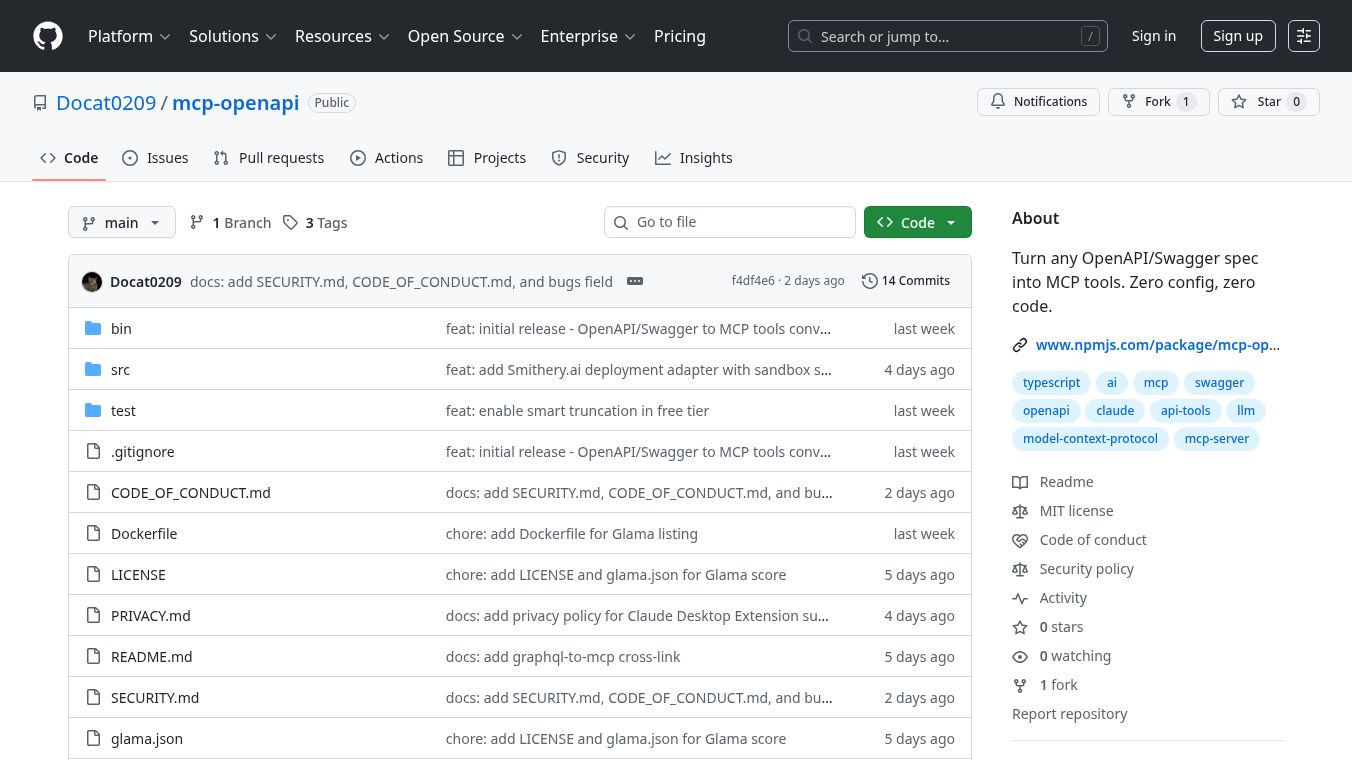





The Model Context Protocol or MCP is a standard way for applications to give information to Large Language Models or LLMs. Think of it like a universal adapter, similar to USB-C, that helps AI models connect to different data sources and tools. The Agents Python SDK works with MCP, letting you use existing MCP servers or build your own to connect tools like file systems or web resources to an agent.
Benefits
MCP helps applications communicate with AI models more easily by providing a consistent method for connecting to various data sources and tools. It allows for the reuse of existing MCP servers or the creation of custom ones, making it flexible for different needs. The system supports different ways to connect, ensuring compatibility and ease of integration. It also offers features like automatic retries for connections and the ability to filter which tools are exposed, improving efficiency and security.
Use Cases
MCP can be used in several ways depending on your needs. You can use hosted MCP server tools if OpenAI's Responses API needs to connect to a public MCP server. If you manage your own servers, either locally or remotely, you can use streamable HTTP MCP servers. For MCP servers running as local computer programs, stdio MCP servers are an option. The system also allows for optional approval steps before a tool is used, adding a layer of control. This is useful for sensitive operations or when human oversight is required.
Vibes
Information about public reception or reviews for MCP is not available in the provided text.
Additional Information
The provided text mentions that MCP supports streaming results and offers optional approval flows for tool execution. It also details how to configure MCP tools with settings like converting schemas to strict JSON and handling tool call failures. For local servers, concepts like approval policies and per-call metadata are shared. MCP servers can also filter tools, provide prompts, and cache tool list results for better performance. MCP activity can be viewed in traces.
This content is either user submitted or generated using AI technology (including, but not limited to, Google Gemini API, Llama, Grok, and Mistral), based on automated research and analysis of public data sources from search engines like DuckDuckGo, Google Search, and SearXNG, and directly from the tool's own website and with minimal to no human editing/review. THEJO AI is not affiliated with or endorsed by the AI tools or services mentioned. This is provided for informational and reference purposes only, is not an endorsement or official advice, and may contain inaccuracies or biases. Please verify details with original sources.
Comments
Please log in to post a comment.