llmd





What is llmd?
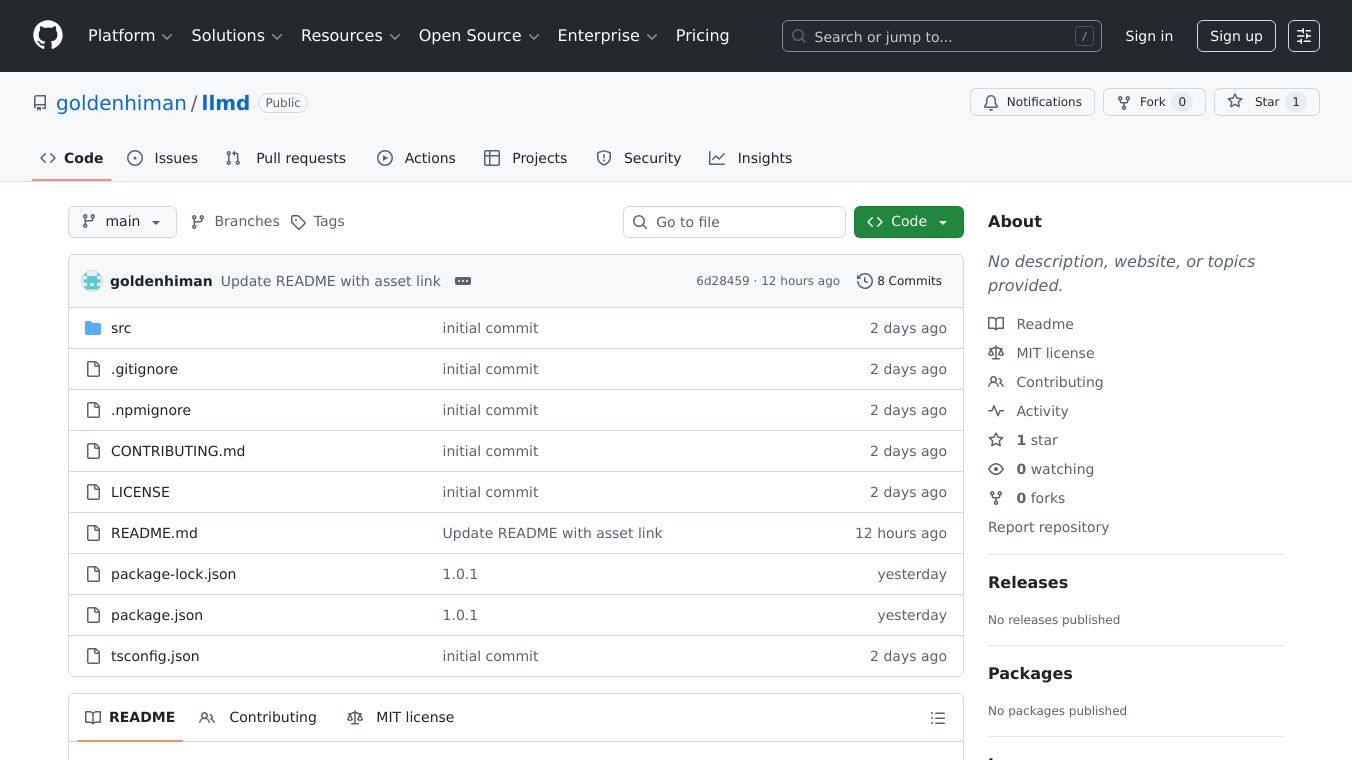
LLMD, or Large Language Model Distributed, is a framework designed to enhance the performance of large language models (LLMs) through distributed computing techniques. It is built to be Kubernetes-native, making it ideal for cloud environments. LLMD aims to optimize the efficiency and scalability of LLMs, ensuring they can handle large-scale tasks with ease.
Benefits
LLMD offers several key advantages for developers and organizations working with large language models:
- Distributed Training: LLMD leverages distributed computing to train large language models more efficiently. This means faster training times and better resource utilization.
- Model Parallelism: The framework supports model parallelism, allowing different parts of a model to be processed simultaneously across multiple nodes. This enhances performance and reduces latency.
- Optimized Resource Management: LLMD includes advanced techniques for managing resources, such as model sharding and efficient data distribution. This ensures that the models run smoothly and efficiently.
- Scalability: Designed for large-scale deployments, LLMD can handle high-throughput and low-latency applications, making it suitable for real-time language processing and large-scale data analysis.
Use Cases
LLMD is particularly useful in scenarios where large-scale language models are deployed. Some of the primary use cases include:
- Real-Time Language Processing: LLMD can be used in applications that require real-time language processing, such as chatbots, virtual assistants, and translation services.
- Large-Scale Data Analysis: The framework is ideal for analyzing large datasets, providing insights and patterns that can be used for various applications.
- High-Throughput Applications: LLMD's ability to handle high-throughput tasks makes it suitable for applications that require processing large amounts of data quickly.
Implementation
LLMD is available on GitHub and can be installed via PyPI. Detailed documentation and examples are provided to help developers integrate LLMD into their projects. The framework is designed to be user-friendly, with comprehensive guides and support available to assist developers in getting started.
Vibes
The LLMD community is active and growing, with contributions from developers worldwide. The framework is continuously updated to incorporate the latest advancements in distributed computing and LLM optimization. Users have reported significant performance improvements and enhanced scalability when using LLMD, making it a popular choice for large-scale language model deployments.
Additional Information
LLMD is an open-source project, and its development is supported by a community of contributors. The framework is continuously evolving, with ongoing research and development efforts aimed at enhancing its capabilities. Future updates are expected to include more advanced features and improved performance metrics. Developers are encouraged to visit the official GitHub repository and the PyPI page for more detailed information and to contribute to the project.
This content is either user submitted or generated using AI technology (including, but not limited to, Google Gemini API, Llama, Grok, and Mistral), based on automated research and analysis of public data sources from search engines like DuckDuckGo, Google Search, and SearXNG, and directly from the tool's own website and with minimal to no human editing/review. THEJO AI is not affiliated with or endorsed by the AI tools or services mentioned. This is provided for informational and reference purposes only, is not an endorsement or official advice, and may contain inaccuracies or biases. Please verify details with original sources.

Comments
Please log in to post a comment.