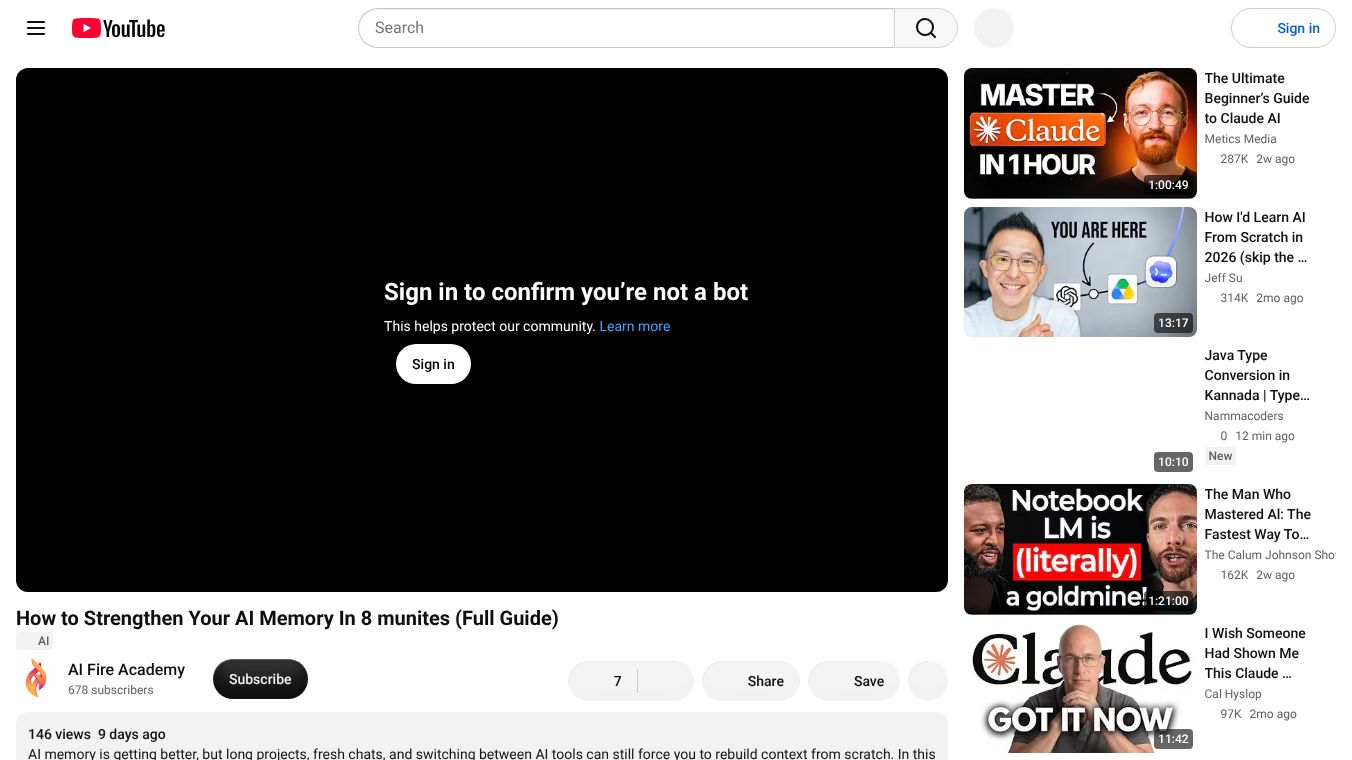





How to Improve Your Memory with AI Tools
Memory is the foundation of learning, decision-making, and everyday functioning. In our fast-paced, information-heavy world, many people struggle to retain what they read, hear, or experience. Fortunately, artificial intelligence is changing the way we can improve memory by offering tools that are smarter, more personalized, and grounded in cognitive science. This guide explores how AI can help improve your memory using simple tools and research-based methods that actually work.
Benefits
AI tools offer several key advantages for strengthening your memory. They automate proven methods like spaced repetition, which schedules reviews at optimal times to maximize retention. Studies show that this approach improves long-term memory more effectively than cramming. Adaptive brain training apps adjust difficulty based on your performance, leading to measurable improvements in working memory and attention over time. Additionally, AI-enhanced note-taking tools help organize knowledge by connecting related ideas, making it easier for your brain to retrieve information later. These platforms also support classic techniques like chunking and the memory palace by helping you visualize and interact with content more vividly. Finally, AI can help optimize sleep and focus, which are critical for converting short-term memories into long-term ones.
Use Cases
These tools are useful for a wide range of people and situations. Students can use personalized AI learning platforms to master concepts efficiently and get immediate feedback. Professionals can build smarter personal knowledge systems to organize complex information and find it quickly. Anyone looking to stay mentally sharp can use adaptive brain training apps for daily cognitive exercises. People preparing for exams or learning new skills can leverage spaced repetition tools to retain information longer. Individuals interested in classic memory techniques can use AI to break down complex data into manageable groups or generate visual associations. Furthermore, anyone struggling with sleep or stress can use AI tools to monitor their habits and create better routines for rest and focus.
Pricing
Pricing details for these specific AI tools are not available in the provided information. However, popular apps like Lumosity, Elevate, Peak, BrainHQ, and CogniFit typically offer free trials or subscription-based models. Tools like Notion AI and Headspace also have various pricing tiers depending on the features you need.
Vibes
Public reception to these AI memory tools is generally positive. Research published in Medical Education supports the effectiveness of AI-driven spaced repetition. Studies on adaptive cognitive training indicate modest but measurable improvements in working memory and attention when used consistently. A review in Neuron highlights the crucial role of deep sleep in memory consolidation, validating the use of AI sleep trackers. Users often appreciate how these tools adapt to their individual learning styles and provide data-driven insights into their cognitive progress.
Additional Information
This information is based on insights from Frinley Paul, Creative Design Director at TechWyse, who shares his work and insights through his personal website and YouTube channel. The content reflects a growing ecosystem of tools focused on cognitive analytics and personalized learning. Emerging platforms like CogniFit and BrainHQ are leading the way in tracking cognitive progress over time and helping users spot patterns to adjust their routines for better results.
This content is either user submitted or generated using AI technology (including, but not limited to, Google Gemini API, Llama, Grok, and Mistral), based on automated research and analysis of public data sources from search engines like DuckDuckGo, Google Search, and SearXNG, and directly from the tool's own website and with minimal to no human editing/review. THEJO AI is not affiliated with or endorsed by the AI tools or services mentioned. This is provided for informational and reference purposes only, is not an endorsement or official advice, and may contain inaccuracies or biases. Please verify details with original sources.



Comments
Please log in to post a comment.