Gradient Descent






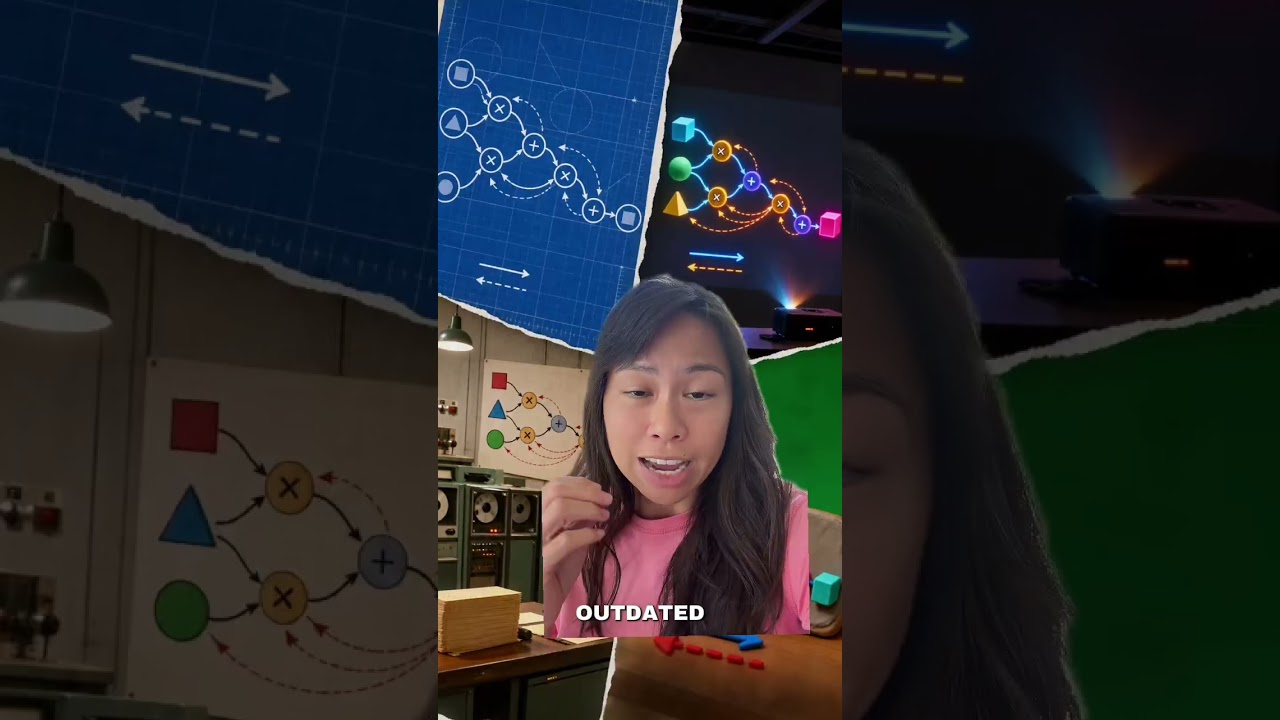
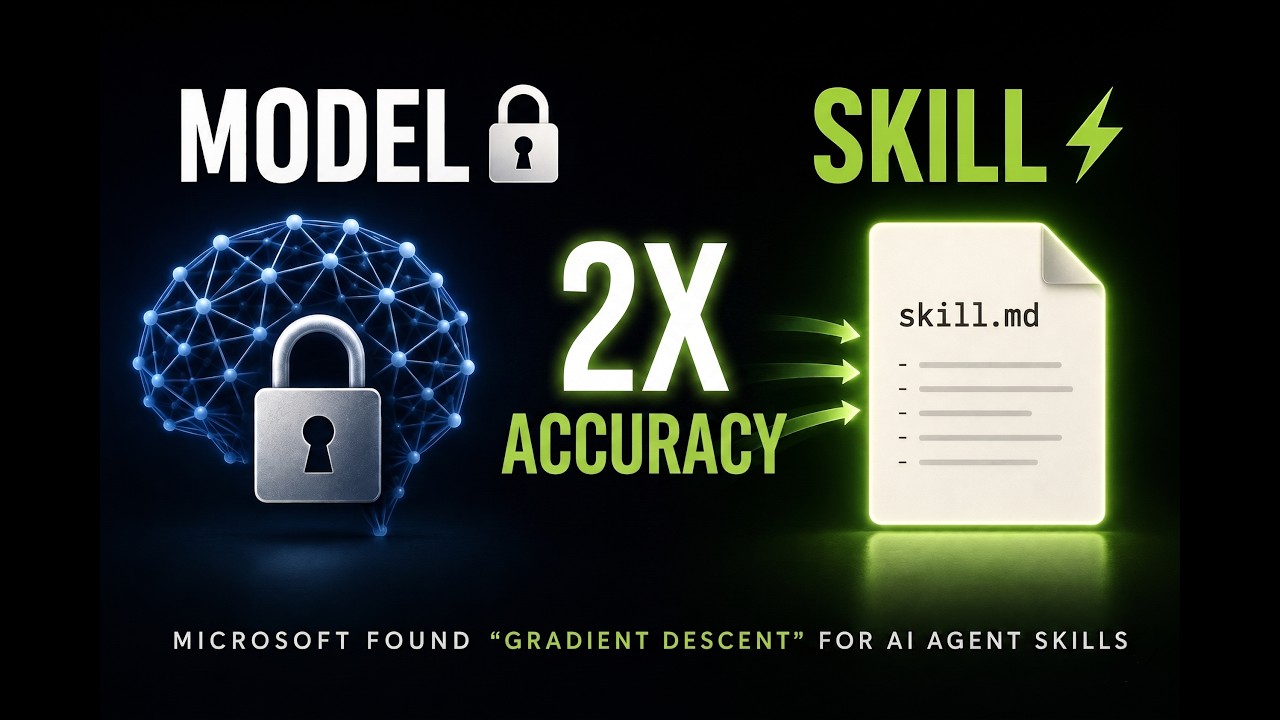
Gradient Descent is a fundamental method used in machine learning to find the best possible solution for a problem. It works by starting with an initial guess and then making small, calculated steps to improve that guess until the result is as accurate as possible. Think of it like walking down a foggy mountain to find the lowest point. You take steps in the direction that feels steepest downward, getting closer to the bottom with each move.
Benefits
The main advantage of Gradient Descent is its ability to optimize complex mathematical models. It helps algorithms learn from data by minimizing errors, which leads to more accurate predictions. This method is efficient because it can handle large datasets and adjust parameters automatically without needing human intervention. It is also flexible, working well for various types of problems in fields like finance, healthcare, and technology.
Use Cases
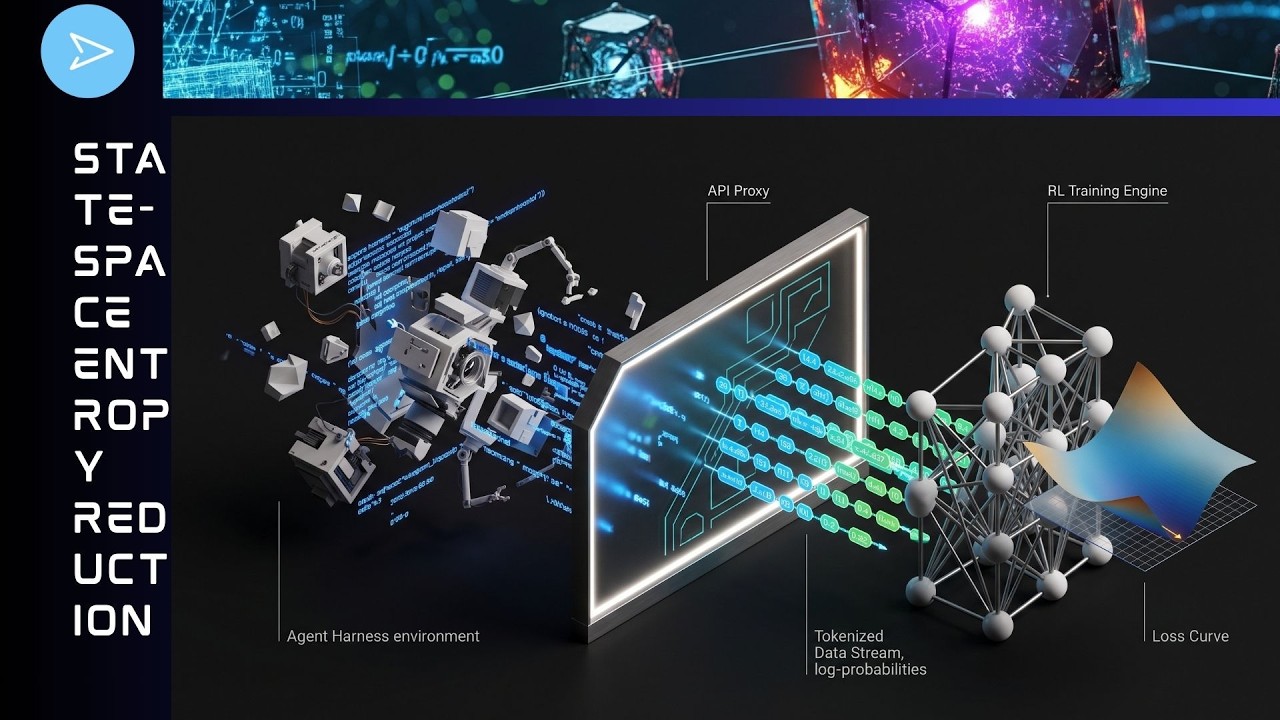
This technique is widely used in training artificial intelligence models. For example, it helps image recognition software identify objects in photos by adjusting its internal settings to reduce mistakes. It is also used in recommendation systems that suggest movies or products based on user behavior. Additionally, financial institutions use it to predict market trends and manage risk by analyzing historical data patterns.
Pricing (ONLY include if available)
Gradient Descent is a mathematical algorithm, not a commercial product. Therefore, there is no price tag or subscription fee associated with using the concept itself. Developers use it as part of standard machine learning libraries and frameworks available for free.
Vibes (ONLY include if available)
There are no specific reviews or testimonials available for Gradient Descent because it is a foundational tool rather than a branded software product. However, the machine learning community generally views it as a critical and reliable building block for modern AI development.
Additional Information (ONLY include if available)
Gradient Descent was developed in the 1940s and has remained a cornerstone of machine learning ever since. It is often used in conjunction with other optimization techniques to solve problems that are too complex for simple methods. While the basic version is straightforward, variations of the algorithm exist to handle different speeds and data sizes.
This content is either user submitted or generated using AI technology (including, but not limited to, Google Gemini API, Llama, Grok, and Mistral), based on automated research and analysis of public data sources from search engines like DuckDuckGo, Google Search, and SearXNG, and directly from the tool's own website and with minimal to no human editing/review. THEJO AI is not affiliated with or endorsed by the AI tools or services mentioned. This is provided for informational and reference purposes only, is not an endorsement or official advice, and may contain inaccuracies or biases. Please verify details with original sources.




Comments
Please log in to post a comment.