DRGPTMD
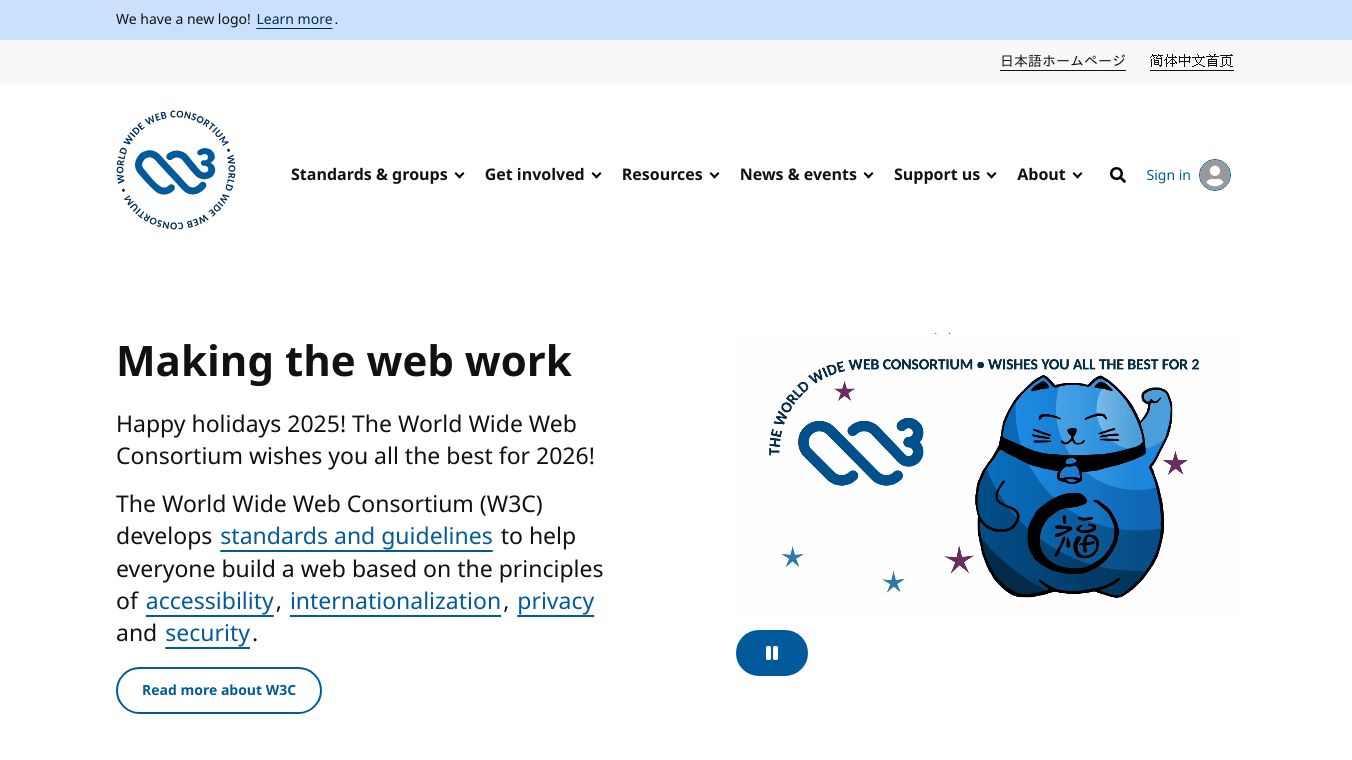





DRGPTMD is a reference to the World Wide Web Consortium (W3C), an international community dedicated to developing open standards for the long-term growth of the Web. The W3C plays a crucial role in shaping the future of the internet by creating guidelines that ensure web content is accessible to everyone, including people with disabilities. One of the key initiatives of the W3C is the Web Content Accessibility Guidelines (WCAG), which provide a single shared standard for web content accessibility. These guidelines are designed to meet the needs of individuals, organizations, and governments worldwide, making the web a more inclusive place for all users.
Benefits
The W3C's work on web accessibility offers numerous benefits. By adhering to the WCAG, web developers and content creators can ensure that their websites are accessible to a broader audience, including those with visual, auditory, physical, speech, cognitive, and neurological disabilities. This not only promotes inclusivity but also enhances the user experience for all visitors. Additionally, following these guidelines can help organizations comply with legal requirements and avoid potential lawsuits related to accessibility.
Use Cases
The W3C's guidelines are applicable to a wide range of web content, including websites, web applications, and digital documents. They provide a framework for creating content that is perceivable, operable, understandable, and robust. For example, developers can use these guidelines to ensure that images have alternative text descriptions, that videos include captions, and that navigation is intuitive and easy to use. By implementing these best practices, organizations can make their digital content more accessible to people with disabilities, thereby fostering a more inclusive online environment.
Additional Information
The W3C is supported by a diverse membership that includes organizations from various industries. This collaborative effort ensures that the guidelines are comprehensive and widely adopted. The W3C's work has been recognized and endorsed by governments and international bodies, further solidifying its role as a leader in web standards and accessibility.
This content is either user submitted or generated using AI technology (including, but not limited to, Google Gemini API, Llama, Grok, and Mistral), based on automated research and analysis of public data sources from search engines like DuckDuckGo, Google Search, and SearXNG, and directly from the tool's own website and with minimal to no human editing/review. THEJO AI is not affiliated with or endorsed by the AI tools or services mentioned. This is provided for informational and reference purposes only, is not an endorsement or official advice, and may contain inaccuracies or biases. Please verify details with original sources.
 Freemium

 Paid
Paid
Comments
Please log in to post a comment.