Desyra





What is Desyra?
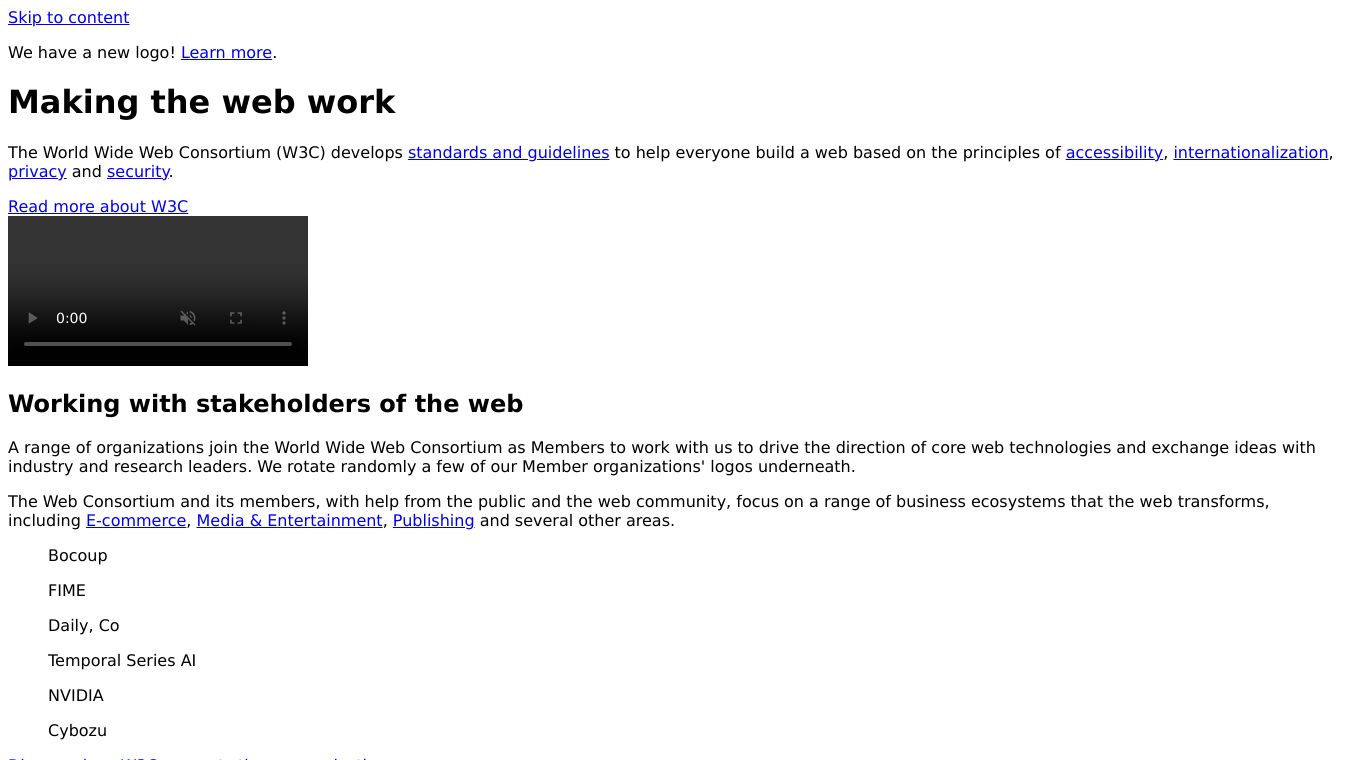
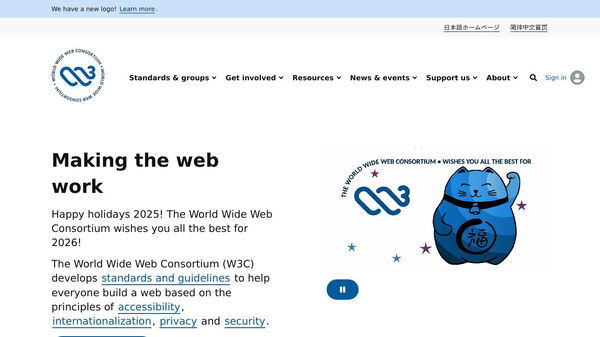
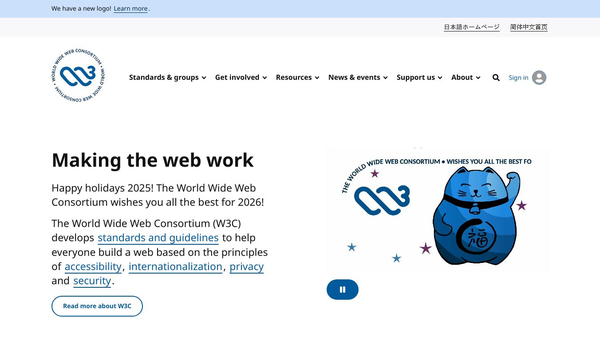
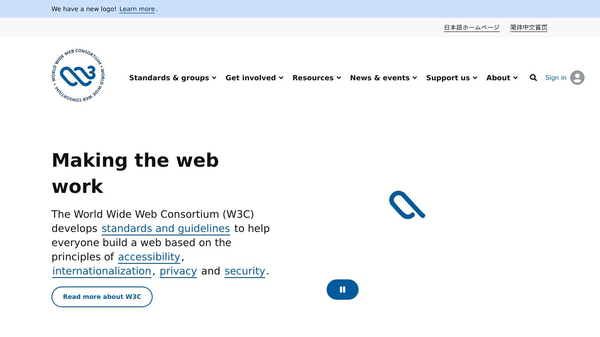
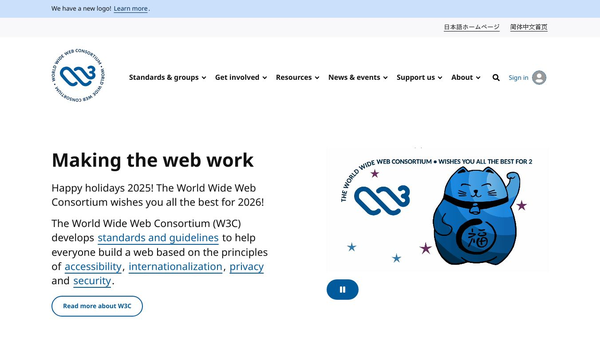
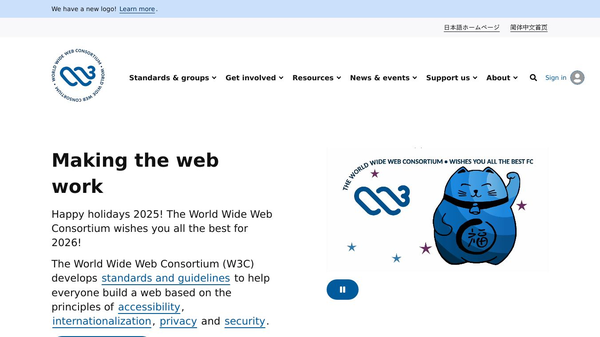
Desyra is a part of the World Wide Web Consortium (W3C), an international community dedicated to developing open standards for the long-term growth of the Web. Founded by Tim Berners-Lee in 1994, W3C works with member organizations, a full-time staff, and the public to create standards known as W3C Recommendations. These standards are similar to industry standards and are developed through a thorough process of review and refinement. The W3C also provides software tools and educational materials to support the implementation of these standards. The organization's work is essential for ensuring the interoperability and accessibility of the Web, making it a global platform for information, commerce, communication, and collective understanding.
Benefits
Desyra, through the W3C, offers several key benefits. It ensures that the Web remains a stable and interoperable platform, allowing different technologies and systems to work together seamlessly. This interoperability is crucial for developers, businesses, and users, as it enables a consistent and reliable web experience. Additionally, the W3C's standards promote accessibility, making the Web usable for people with disabilities. The educational materials and software tools provided by the W3C also support the implementation of these standards, helping developers and organizations to create web content that is both innovative and compliant with global standards.
Use Cases
Desyra's standards and tools are used in various real-world applications. For developers, the W3C Recommendations provide a framework for building web applications that are compatible with different browsers and devices. For businesses, these standards ensure that their web presence is accessible to a global audience, enhancing user experience and reaching a wider market. For users, the interoperability and accessibility of the Web mean that they can access information and services more easily, regardless of the device or browser they are using. The educational materials and software tools provided by the W3C also support the implementation of these standards, helping developers and organizations to create web content that is both innovative and compliant with global standards.
Additional Information
The W3C's work is supported by a diverse membership of organizations from around the world, including leading technology companies, universities, and government agencies. This broad participation ensures that the standards developed by the W3C are comprehensive and widely applicable. The W3C also collaborates with other standards organizations to promote the adoption of web standards globally. Through its efforts, the W3C plays a crucial role in shaping the future of the Web, ensuring that it remains a powerful and inclusive platform for communication and innovation.
This content is either user submitted or generated using AI technology (including, but not limited to, Google Gemini API, Llama, Grok, and Mistral), based on automated research and analysis of public data sources from search engines like DuckDuckGo, Google Search, and SearXNG, and directly from the tool's own website and with minimal to no human editing/review. THEJO AI is not affiliated with or endorsed by the AI tools or services mentioned. This is provided for informational and reference purposes only, is not an endorsement or official advice, and may contain inaccuracies or biases. Please verify details with original sources.
Comments
Please log in to post a comment.