Custocom





What is Custocom?
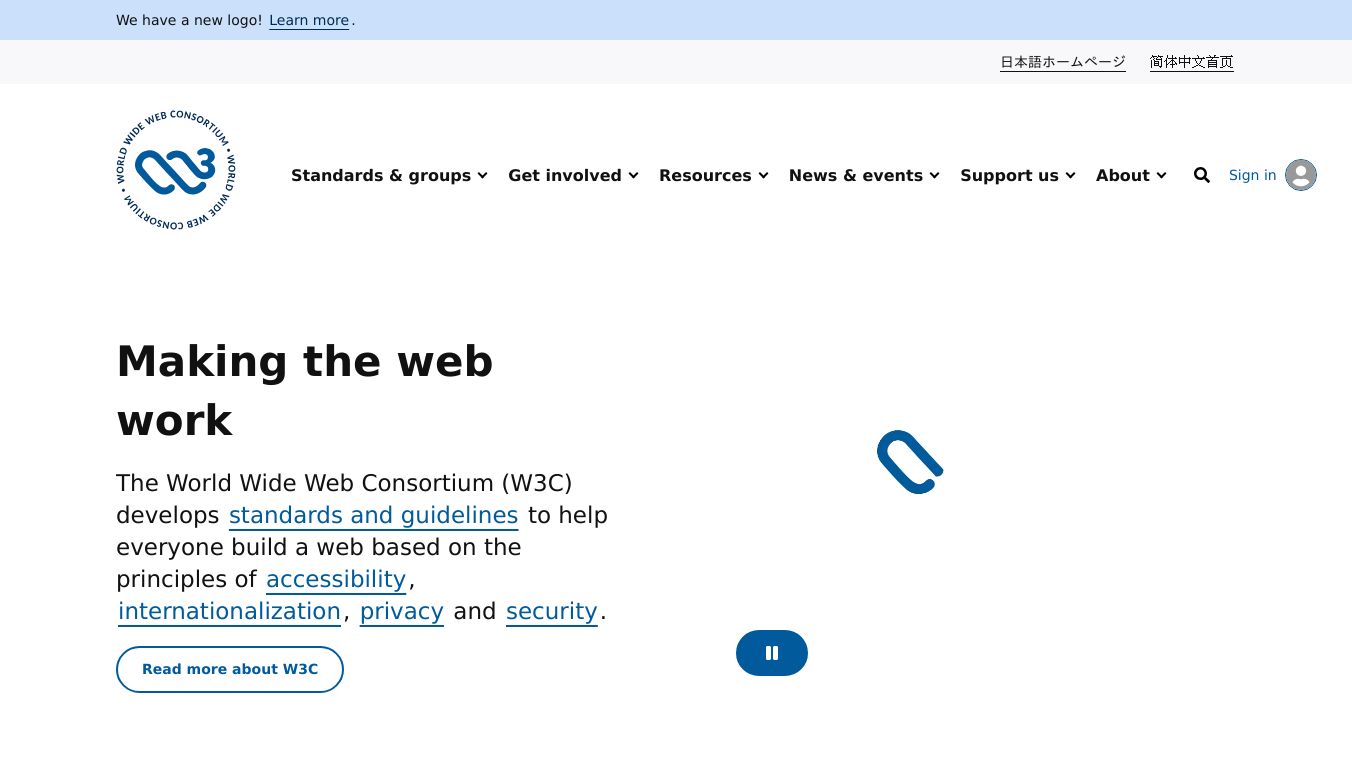
Custocom is a part of the World Wide Web Consortium (W3C), an international community focused on developing open standards to support the long-term growth of the Web. Founded in 1994 by Tim Berners-Lee, the W3C aims to lead the Web to its full potential by creating protocols and guidelines that promote interoperability, accessibility, and innovation. Custocom, under the W3C, plays a crucial role in developing and maintaining web standards like HTML, CSS, and JavaScript, which are essential for the functioning of the modern web.
Benefits
Custocom, through the W3C, offers several key benefits:
- Interoperability: Ensures that web technologies work seamlessly across different platforms and devices.
- Accessibility: Promotes web standards that make the web accessible to everyone, including people with disabilities.
- Innovation: Encourages the development of new web technologies and applications.
- Open Standards: Advocates for open standards that are freely available and can be implemented by anyone.
Use Cases
Custocom's work is integral to various aspects of the web, including:
- Web Development: Provides the foundational standards that developers use to create websites and applications.
- E-Commerce: Ensures that online transactions and commerce platforms are secure and reliable.
- Information Sharing: Facilitates the sharing of information and knowledge across the globe.
- Communication: Supports the development of tools and platforms that enable effective communication.
Additional Information
The W3C, and by extension Custocom, is a key player in the development of web standards. The organization's work is crucial for the continued growth and evolution of the Web, ensuring that it remains a powerful tool for communication, commerce, and information sharing. The W3C's efforts are supported by a global community of members, including businesses, academic institutions, and individuals who are committed to the open and accessible web.
This content is either user submitted or generated using AI technology (including, but not limited to, Google Gemini API, Llama, Grok, and Mistral), based on automated research and analysis of public data sources from search engines like DuckDuckGo, Google Search, and SearXNG, and directly from the tool's own website and with minimal to no human editing/review. THEJO AI is not affiliated with or endorsed by the AI tools or services mentioned. This is provided for informational and reference purposes only, is not an endorsement or official advice, and may contain inaccuracies or biases. Please verify details with original sources.
 No Info
Comments
Please log in to post a comment.