Convayla





What is Convayla?
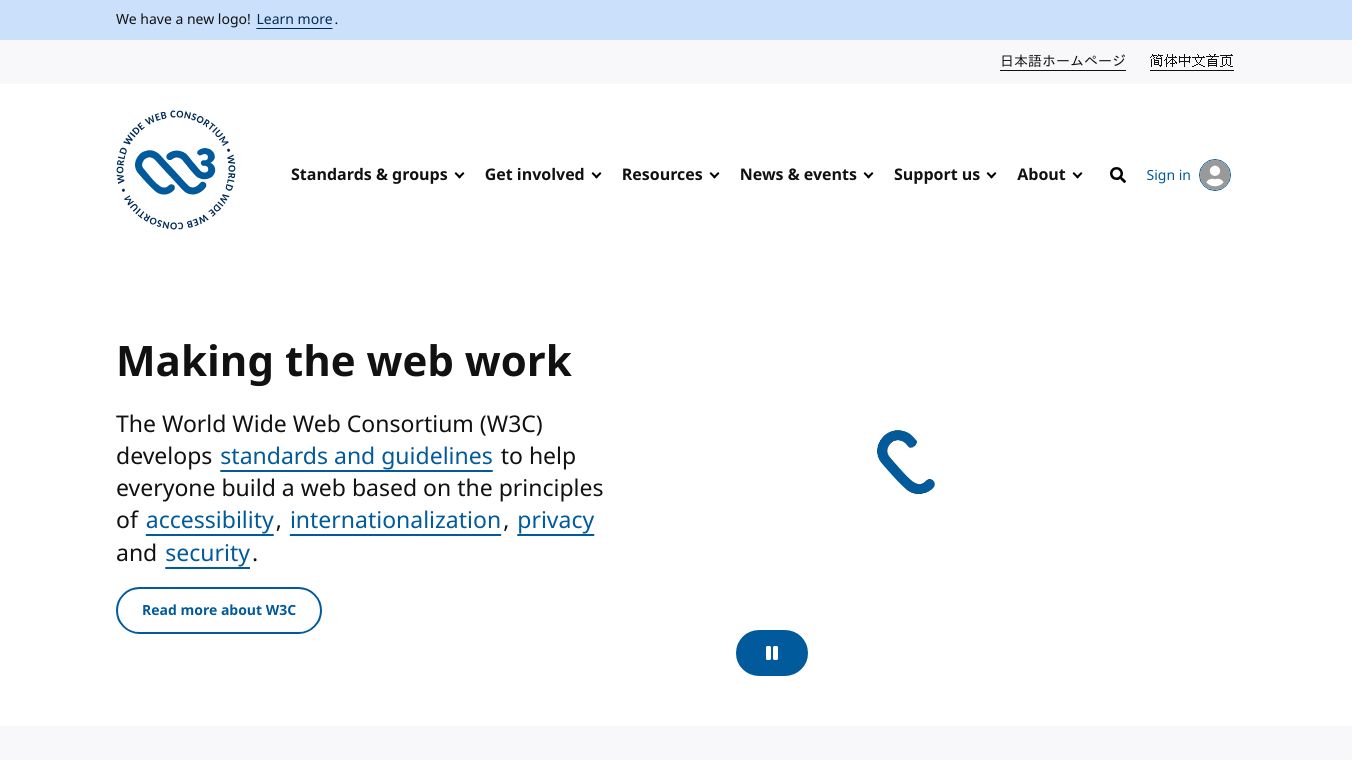
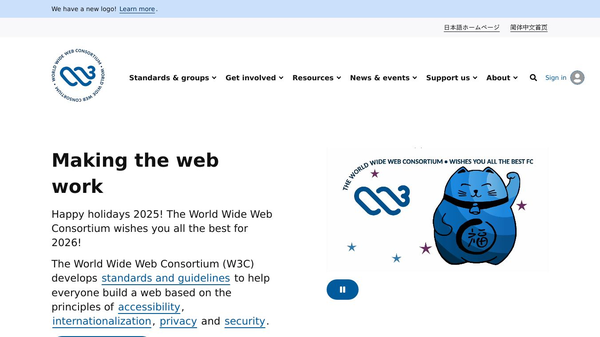
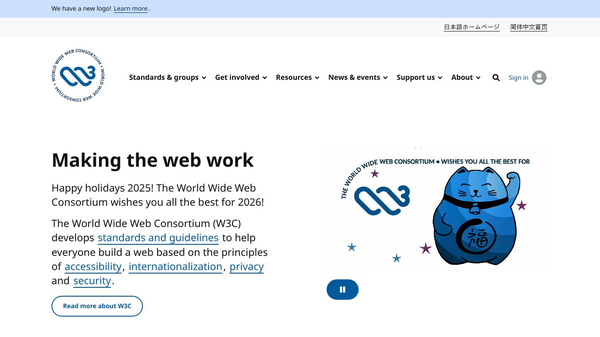
Convayla is a part of the World Wide Web Consortium (W3C), the main international standards organization for the World Wide Web. Founded and led by Tim Berners-Lee, the W3C is made up of member organizations that work together to develop web standards. The W3C ensures that the web remains open and vendor-neutral, enabling a semantic web that reaches universal access. This is achieved by standardizing common web technologies like HTML, CSS, and SVG, and ratifying specifications such as XHTML.
Benefits
Convayla, through the W3C, offers several key benefits:
- Open and Vendor-Neutral Platform: Ensures that web technologies are accessible to everyone, without being controlled by any single vendor.
- Standardization: Provides a consistent set of standards that web developers can rely on, making it easier to create compatible and interoperable web applications.
- Universal Access: Promotes web technologies that can be accessed by anyone, regardless of their device or location.
- Education and Outreach: The W3C engages in education and outreach to spread knowledge about web standards and best practices.
- Open Forum for Discussion: Serves as a platform for discussion about the future of the web, allowing stakeholders to collaborate and innovate.
Use Cases
Convayla's standards and technologies are used in a wide range of applications, including:
- Web Development: Developers use W3C standards to create websites and web applications that are compatible across different browsers and devices.
- Accessibility: Ensures that web content is accessible to people with disabilities, promoting inclusivity.
- Semantic Web: Enables the creation of a web that is not just linked documents but a collection of data that can be processed by machines.
- Education: Provides resources and training to help individuals and organizations understand and implement web standards.
Additional Information
The W3C is funded by member dues, conference fees, and other sources of revenue. It plays a crucial role in shaping the future of the web by developing standards that ensure interoperability, accessibility, and innovation. The W3C's work is essential for maintaining the open and inclusive nature of the World Wide Web.
This content is either user submitted or generated using AI technology (including, but not limited to, Google Gemini API, Llama, Grok, and Mistral), based on automated research and analysis of public data sources from search engines like DuckDuckGo, Google Search, and SearXNG, and directly from the tool's own website and with minimal to no human editing/review. THEJO AI is not affiliated with or endorsed by the AI tools or services mentioned. This is provided for informational and reference purposes only, is not an endorsement or official advice, and may contain inaccuracies or biases. Please verify details with original sources.
Comments
Please log in to post a comment.