Checkout





Research context and background
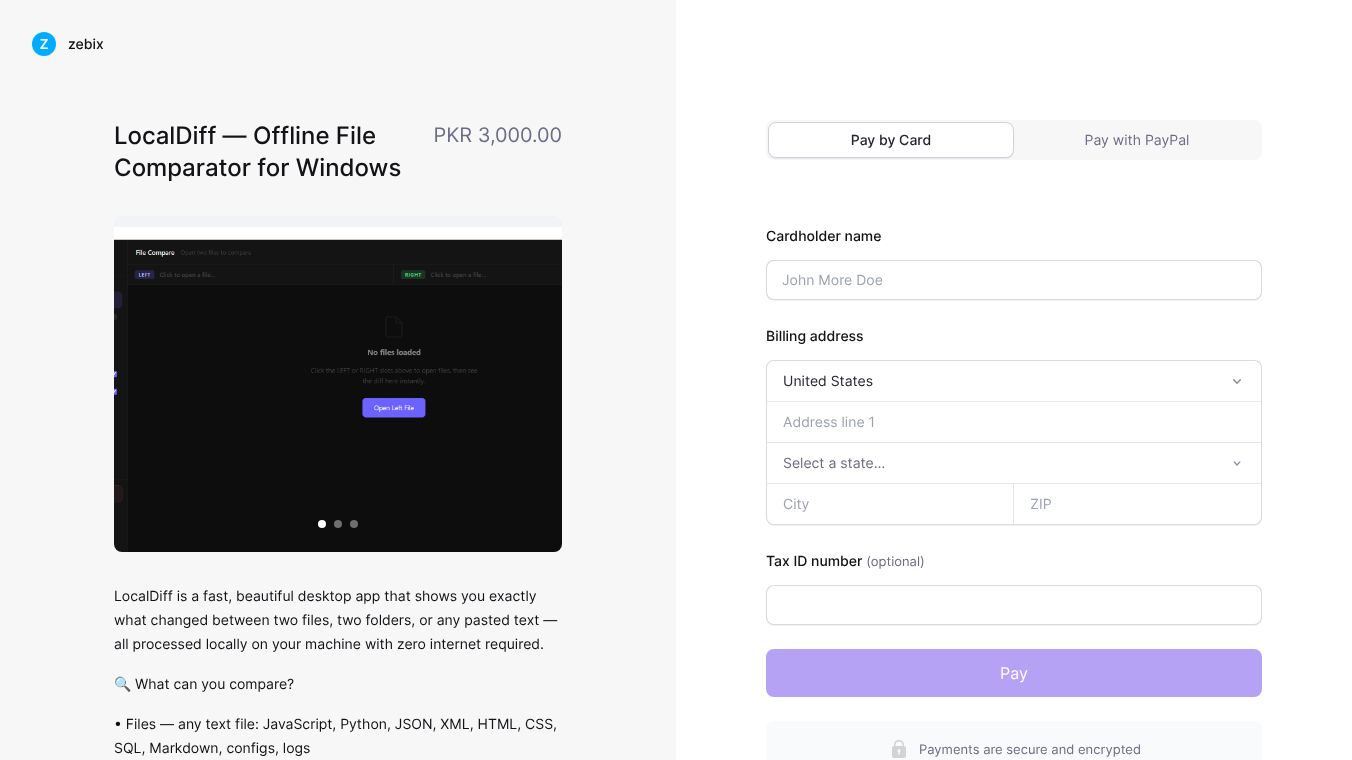
The term Checkout refers to a standard process used in online shopping. It is the final step where a customer enters their payment details to complete a purchase. This page appears after a user adds items to a shopping cart and decides to buy them. The goal of this step is to securely collect money and shipping information so the seller can deliver the product.
Benefits
A well-designed Checkout experience offers several advantages for both buyers and sellers. For customers, it provides a fast and secure way to pay for goods. Good Checkout systems often allow users to save their information for future visits, which makes buying again quicker and easier. They also support various payment methods like credit cards, digital wallets, and bank transfers to give shoppers more choices.
For sellers, a smooth Checkout process reduces the chance of customers abandoning their carts. When the steps are clear and the design is simple, more people finish their purchases. This leads to higher sales and better revenue. Security is another major benefit. Modern Checkout pages use encryption to protect sensitive data, which builds trust with customers.
Use Cases
Checkout is used in almost every type of online store. E-commerce websites for clothing, electronics, and home goods all rely on it to process orders. Digital marketplaces use it to sell software, ebooks, and online courses. Even service-based businesses like booking platforms for hotels or appointments use a similar flow to collect payments.
It is also common in subscription services. When a user signs up for a monthly box or a streaming service, they go through a Checkout page to set up their recurring payment. Mobile apps for food delivery or ride-sharing also use this system to charge users after a service is completed.
Pricing
Pricing for Checkout solutions varies widely depending on the platform and the business needs. Some platforms include Checkout features as part of a monthly subscription fee. Others charge a small percentage of each transaction processed through the system. For example, a store might pay a fee of around 2.9 percent plus a fixed amount for every sale made. Custom enterprise solutions can cost more and are usually negotiated based on the volume of sales.
Vibes
Public reception of Checkout experiences is generally positive when they are easy to use. Customers appreciate pages that load quickly and do not ask for unnecessary information. Reviews often highlight how a simple design reduces frustration during the buying process. However, users can be critical if a page is confusing or if errors occur during payment. Positive feedback usually comes from businesses that offer guest checkout options, meaning users do not have to create an account to buy something.
Additional Information
Many large technology companies have invested heavily in improving Checkout security and speed. Partnerships between payment processors and e-commerce platforms have made it easier for small businesses to accept payments without building their own systems. Achievements in this area include the widespread adoption of one-click buying and biometric authentication like fingerprint scanning for mobile payments. These advancements show how the industry continues to evolve to make shopping safer and faster.
This content is either user submitted or generated using AI technology (including, but not limited to, Google Gemini API, Llama, Grok, and Mistral), based on automated research and analysis of public data sources from search engines like DuckDuckGo, Google Search, and SearXNG, and directly from the tool's own website and with minimal to no human editing/review. THEJO AI is not affiliated with or endorsed by the AI tools or services mentioned. This is provided for informational and reference purposes only, is not an endorsement or official advice, and may contain inaccuracies or biases. Please verify details with original sources.


 No Info

Comments
Please log in to post a comment.