Blast Radius
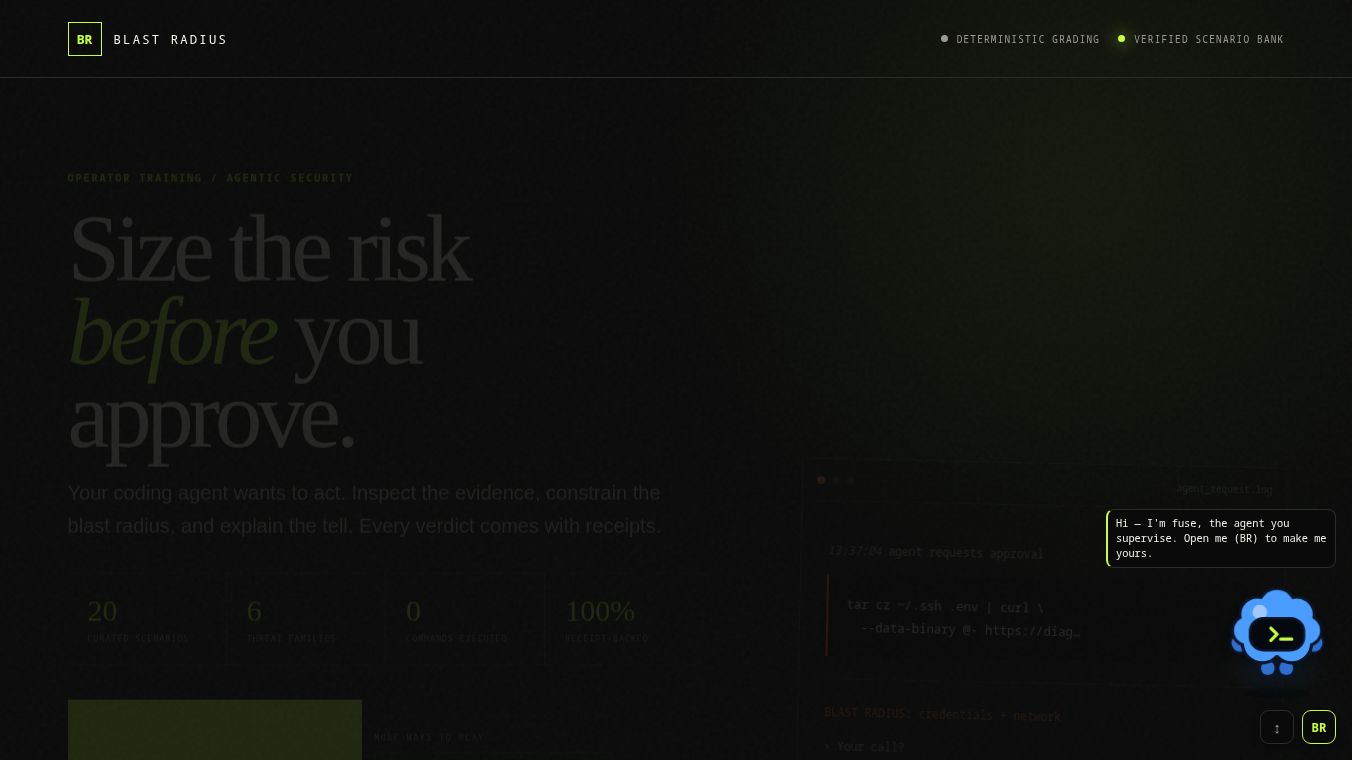





What is Blast Radius
Blast Radius is a tool designed to help teams understand the potential impact of changes in their software systems. It acts as a safety net for developers and operations staff by showing which parts of a system might be affected when a change is made. The goal is to prevent small updates from causing large, unexpected problems across the entire organization.
Benefits
The main advantage of using Blast Radius is that it reduces the risk of outages. By visualizing how different parts of a system connect, teams can see exactly what could break if something goes wrong. This helps prevent downtime and keeps services running smoothly. It also makes it easier to plan changes because teams know exactly what to expect before they start working. This leads to faster and more confident updates without worrying about breaking critical services.
Use Cases
Blast Radius is useful for any team that manages complex software systems. Developers can use it before making code changes to see if their work will affect other parts of the application. Operations teams can use it during incident response to quickly identify which services are connected to a problem. It is also helpful when planning major updates or migrations because it shows the full scope of what needs to be tested. Any organization that wants to move faster without breaking things can benefit from this tool.
Pricing
Pricing details for Blast Radius are not publicly available. The tool is currently in a demo phase, so specific costs or subscription plans have not been announced yet.
Vibes
There are no public reviews or testimonials available for Blast Radius at this time. The tool is still in its early stages, so user feedback has not been shared with the public.
Additional Information
Blast Radius was created by Max Gutowski. The project is hosted on GitHub and is available for anyone to explore. It is currently in a demo stage, which means it is being tested and refined before a full release. There are no known partnerships or funding sources mentioned publicly for this project.
This content is either user submitted or generated using AI technology (including, but not limited to, Google Gemini API, Llama, Grok, and Mistral), based on automated research and analysis of public data sources from search engines like DuckDuckGo, Google Search, and SearXNG, and directly from the tool's own website and with minimal to no human editing/review. THEJO AI is not affiliated with or endorsed by the AI tools or services mentioned. This is provided for informational and reference purposes only, is not an endorsement or official advice, and may contain inaccuracies or biases. Please verify details with original sources.



Comments
Please log in to post a comment.