BatiScope
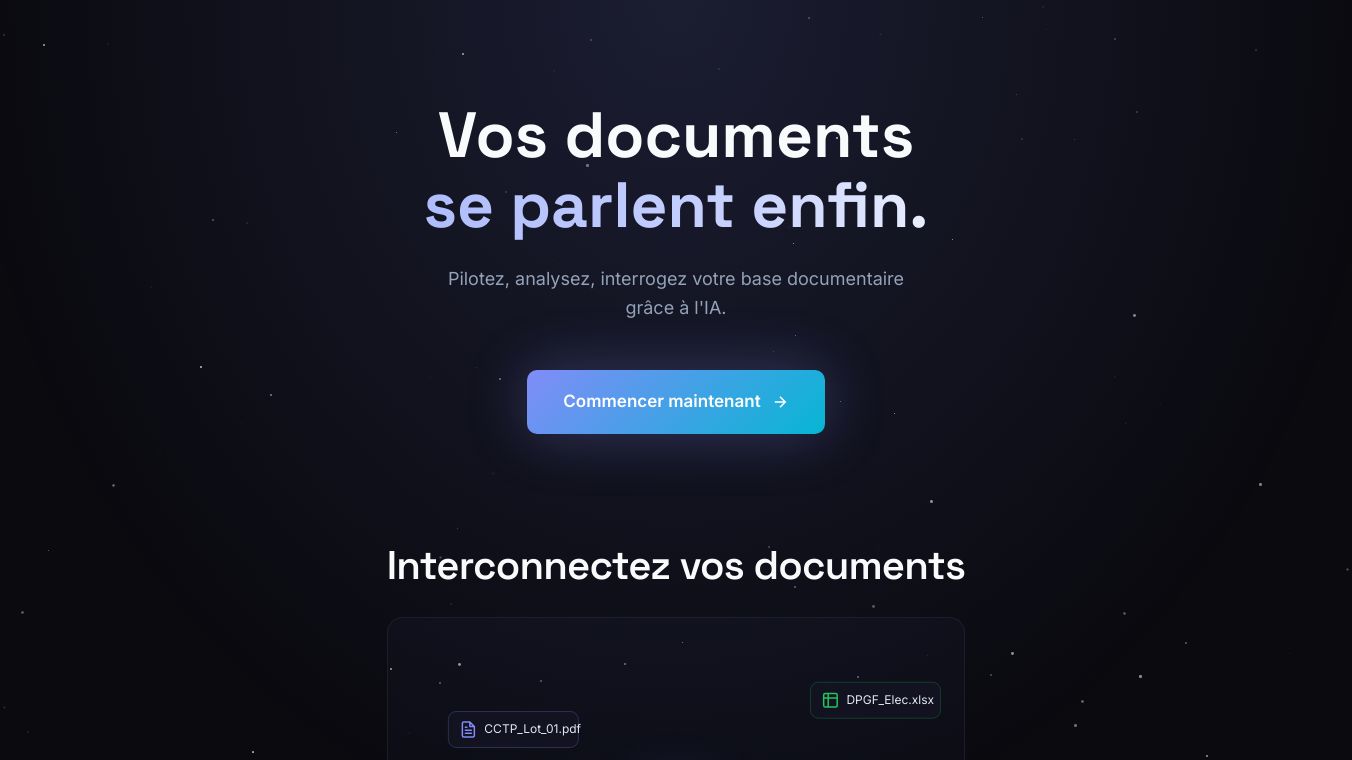





BatiScope is a specialized underwater observation device designed for marine research and exploration. It allows scientists and researchers to observe marine life and underwater environments in their natural state without causing disturbance. The device is equipped with advanced imaging technology, including high-resolution cameras and powerful lighting systems, to capture clear and detailed images of the underwater world. This makes it particularly useful for studying deep-sea organisms and ecosystems that are otherwise difficult to access.
Benefits
BatiScope offers several key advantages for marine research. Its advanced imaging technology ensures high-quality images and videos, providing detailed insights into underwater environments. The device is also designed to be durable and resistant to harsh underwater conditions, ensuring reliable performance during extended missions. This durability makes it suitable for long-term observations and deep-sea exploration. Additionally, BatiScope can be deployed from research vessels and used in conjunction with other underwater exploration tools, offering a comprehensive understanding of marine environments.
Use Cases
BatiScope is primarily used by marine biologists and oceanographers for studying deep-sea organisms and ecosystems. Its ability to capture detailed images without disturbing the natural environment makes it ideal for observing marine life in their natural habitat. The device can be deployed in various underwater conditions, making it versatile for different types of marine research. It is often used alongside other underwater exploration tools to provide a thorough understanding of marine environments.
Additional Information
BatiScope's versatility and advanced features make it an invaluable tool for marine research. Its ability to capture high-quality images and videos, combined with its durability and resistance to harsh conditions, ensures reliable performance during extended missions. This makes BatiScope a crucial asset for scientists and researchers in the field of marine biology and oceanography.
This content is either user submitted or generated using AI technology (including, but not limited to, Google Gemini API, Llama, Grok, and Mistral), based on automated research and analysis of public data sources from search engines like DuckDuckGo, Google Search, and SearXNG, and directly from the tool's own website and with minimal to no human editing/review. THEJO AI is not affiliated with or endorsed by the AI tools or services mentioned. This is provided for informational and reference purposes only, is not an endorsement or official advice, and may contain inaccuracies or biases. Please verify details with original sources.

 No Info


Comments
Please log in to post a comment.