AI Video Generation Workflow
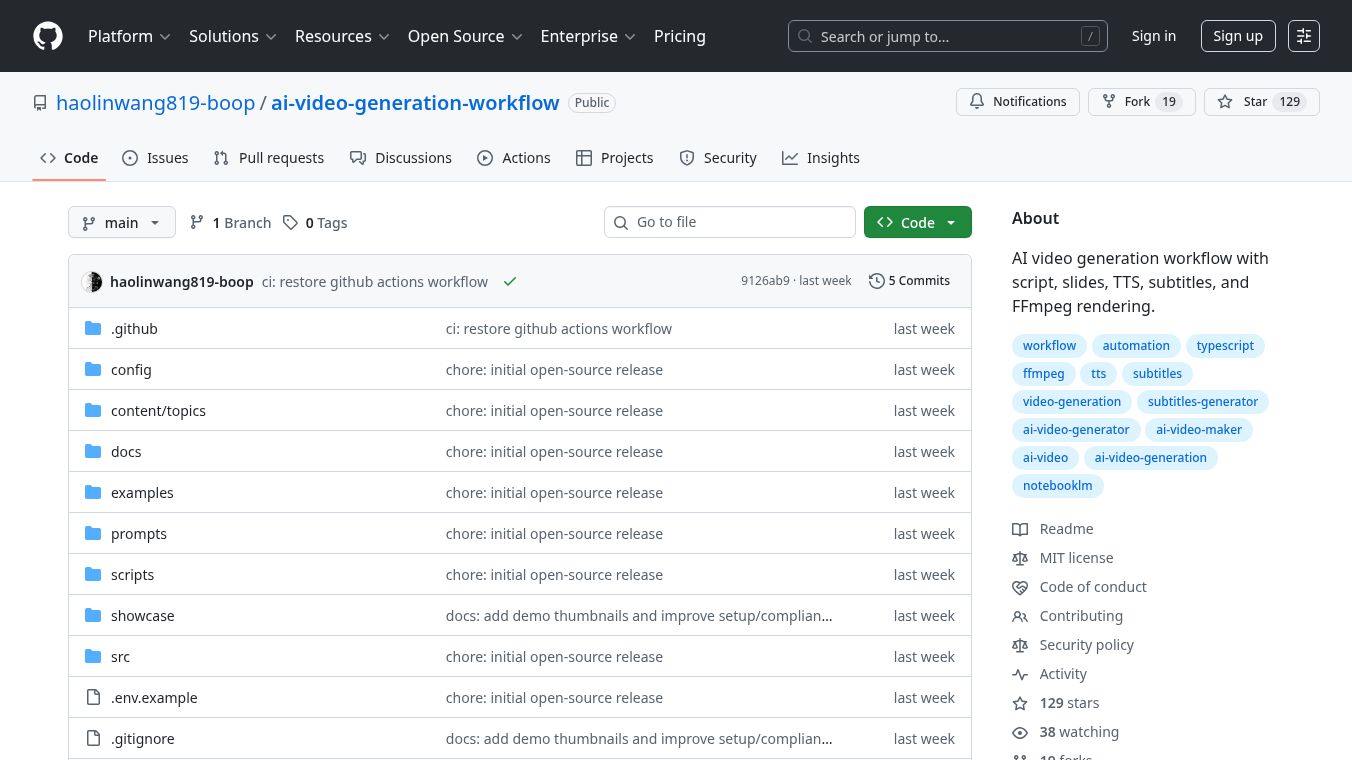





The AI Video Generation Workflow is a system designed to help create short explainer videos, especially for finance topics. Instead of relying on newer text-to-video tools that can sometimes produce unpredictable results, this workflow focuses on making reliable videos with a consistent look and feel, perfect for making many videos at once. It ensures that the voice, text on screen, and images all match up smoothly.
Benefits
This workflow offers several advantages. It is built for stability and can be repeated, meaning you can run specific parts of the process again if needed. This helps ensure that the voice, subtitles, and images are perfectly in sync. It also works well with other tools like NotebookLM to help create presentation slides.
Use Cases
The workflow guides you through six main steps to create a video. First, it generates a script with clear sections like a hook, definition, and example. Then, it prepares input for creating presentation slides. After that, it imports the slide images. Next, it generates a voiceover using different voice options. It then creates subtitles that match the exact timing of the audio. Finally, it puts everything together into a video file using FFmpeg, making sure the audio and visuals are synchronized.
Vibes
This project is open-source, meaning its code is publicly available for others to use and build upon. It is designed to be a reliable solution for producing videos consistently.
Additional Information
The technology behind this workflow includes Node.js, TypeScript, and FFmpeg for video and audio tasks. It can connect to services like Gemini or ElevenLabs for generating scripts and voices. To use it, you need to have Node.js, Python, and FFmpeg installed on your computer. Setup involves installing necessary packages and configuring settings like API keys in a.envfile. There are commands to run each step of the process or to run the entire pipeline at once. The project also provides help for common problems and has plans for future improvements like Docker support and integration with local AI models.
This content is either user submitted or generated using AI technology (including, but not limited to, Google Gemini API, Llama, Grok, and Mistral), based on automated research and analysis of public data sources from search engines like DuckDuckGo, Google Search, and SearXNG, and directly from the tool's own website and with minimal to no human editing/review. THEJO AI is not affiliated with or endorsed by the AI tools or services mentioned. This is provided for informational and reference purposes only, is not an endorsement or official advice, and may contain inaccuracies or biases. Please verify details with original sources.

 No Info

Comments
Please log in to post a comment.