




As AI continues to integrate into workplaces, companies are facing new challenges in managing AI-generated content and ensuring compliance with regulations. The exponential growth of AI-generated communications is causing significant governance, oversight, and ethical concerns. To address these issues, organizations are seeking better visibility across users, agents, data, and connected systems.
Proofpoint has outlined an approach to enterprise AI security that includes collaboration security, data protection, AI governance, and runtime controls. This approach aims to address security concerns arising from AI tool adoption, such as visibility gaps in user access to AI tools and connections to enterprise systems and data.
On a more positive note, AI models are being used to accelerate scientific discovery and cures. Dr. Priscilla Chan co-founded Biohub to leverage AI in understanding complex biological systems, potentially leading to breakthroughs in disease prevention and treatment. The Virtual Biology Initiative aims to build an open data foundation for AI-accelerated biology, promoting global collaboration and data sharing.
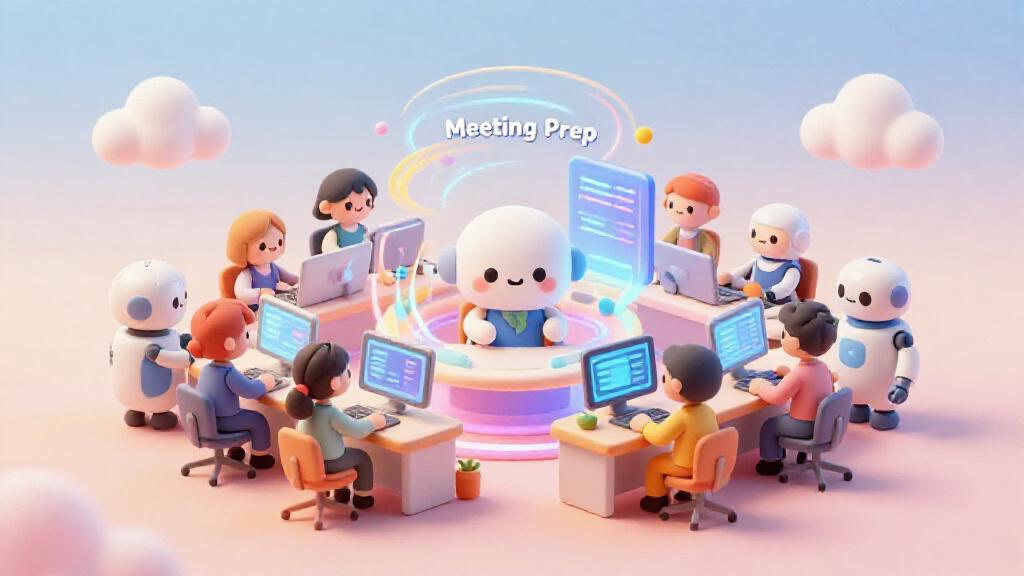
OpenAI has introduced new workspace agents that can automate complex tasks, integrate with tools, and boost team productivity. These agents, including 'Meeting Prep' and 'Software Review', aim to streamline workflows and enhance collaboration. Meanwhile, Apple is revamping its photo editing tools with AI-powered features, including object removal and perspective shifts, to match Google Pixel's photo editing capabilities.
The impact of AI on jobs and the economy is a topic of ongoing debate. A report by Citrini predicts that AI could displace 40% of US jobs by 2030, while experts argue that the impact will depend on various factors, including the pace of adoption and societal responses. However, SMBs that complete structured AI training see 20-30% productivity gains, according to a report by WSI.
Executives are optimistic about the potential of agentic AI, with 92% believing it will fundamentally change business operations. To fully leverage agentic AI, organizations will need to redesign processes, define accountability, and develop new skills. In response to the growing demand for AI expertise, Idaho State University is launching an Artificial Intelligence Sciences bachelor's degree this fall.
Key Takeaways
* OpenAI introduces workspace agents to automate complex tasks and boost team productivity. * Proofpoint outlines an approach to enterprise AI security, including collaboration security and runtime controls. * AI models help accelerate scientific discovery and cures through initiatives like Biohub and the Virtual Biology Initiative. * Apple revamps AI photo editing tools to match Google Pixel's capabilities. * 92% of executives believe agentic AI will fundamentally change business operations. * SMBs see 20-30% productivity gains with structured AI training. * AI could displace 40% of US jobs by 2030, according to a Citrini report. * Idaho State University launches an Artificial Intelligence Sciences bachelor's degree. * US government's AI control strategy is criticized for being ineffective. * Executives emphasize the need for organizations to redesign processes and develop new skills to leverage agentic AI.The Last-Mile Problem in AI Security Explained
The integration of artificial intelligence (AI) in workplaces introduces new communication categories called aiComms. These interactions pose significant governance, oversight, and ethical challenges. Organizations are struggling to manage AI-generated content, ensuring compliance with regulations and preventing data breaches. The risks include security and privacy concerns, compliance and recordkeeping difficulties, and behavioral and ethical issues. Companies are finding it hard to keep pace with the exponential growth of AI-generated communications.
Proofpoint Outlines Enterprise AI Security Controls
Proofpoint has outlined an approach to enterprise AI security that includes collaboration security, data protection, AI governance, and runtime controls. The company aims to address security concerns arising from AI tool adoption, such as visibility gaps in user access to AI tools, AI agent deployment, and connections to enterprise systems and data. Proofpoint emphasizes the need for better visibility across users, agents, data, and connected systems.
AI Models Can Help Deliver Cures
Dr. Priscilla Chan co-founded Biohub to accelerate scientific discovery and cures through AI. AI models can simulate and understand complex biological systems, potentially leading to breakthroughs in disease prevention and treatment. The Virtual Biology Initiative aims to build an open data foundation for AI-accelerated biology, promoting global collaboration and data sharing.
OpenAI Unveils Workspace Agents for Automation
OpenAI has introduced new workspace agents that can automate complex tasks, integrate with tools, and boost team productivity. The agents, including 'Meeting Prep' and 'Software Review', aim to streamline workflows and enhance collaboration.
US Government's AI Control Strategy Criticized
The US government's approach to controlling AI has been criticized for being ineffective. Instead of building standards and governance architecture, the government is trying to assert control through contracts. Experts suggest that establishing standards for AI interoperability and communication could be a more effective strategy.
Criticisms of AI Impact on Jobs and Economy
A report by Citrini predicts that AI could displace 40% of US jobs by 2030. However, experts argue that the impact of AI on jobs and the economy will depend on various factors, including the pace of adoption, the type of AI developed, and societal responses. Some scenarios foresee widespread job displacement, while others suggest that AI could lead to increased productivity and new job creation.
SMBs See Productivity Gains with AI Training
A report by WSI finds that small and medium-sized businesses (SMBs) that complete structured AI training see 20-30% productivity gains. The training helps SMBs integrate AI into their workflows, leading to sustainable success and measurable improvements.
Executives See Agentic AI as Key to Business Change
A survey by Genpact and HFS Research finds that 92% of executives believe agentic AI will fundamentally change business operations. The study highlights the need for organizations to redesign processes, define accountability, and develop new skills to fully leverage agentic AI.
Idaho State University Introduces AI Sciences Degree
Idaho State University is launching an Artificial Intelligence Sciences bachelor's degree this fall. The program aims to equip students with foundational knowledge in AI, mathematics, and statistics, as well as practical skills in AI applications.
Apple Overhauls AI Photo Editing Tools
Apple is revamping its photo editing tools with AI-powered features, including object removal and perspective shifts. The updates aim to match Google Pixel's photo editing capabilities and provide users with more sophisticated editing tools.
Sources
- The last-mile problem in AI security explained
- Proofpoint outlines enterprise AI security controls for tools, agents, and data
- If AI Can Model Cells, Science Can Deliver Cures
- OpenAI Builds Workspace Agents for Seamless Teamwork
- The US Is Fighting for Control of AI. It Would Be Better Off Building Standards.
- Are We Facing an AI Nightmare?
- WSI Reports 20 to 30 Percent Productivity Gains Among SMBs Completing Structured AI Training
- Genpact and HFS Research: 92% of Executives Say Agentic AI Will Fundamentally Change Business Operations
- ISU introducing Artificial Intelligence Sciences bachelors degree beginning this fall
- Apple's AI Photo Overhaul Faces Google Competition
Comments
Please log in to post a comment.