




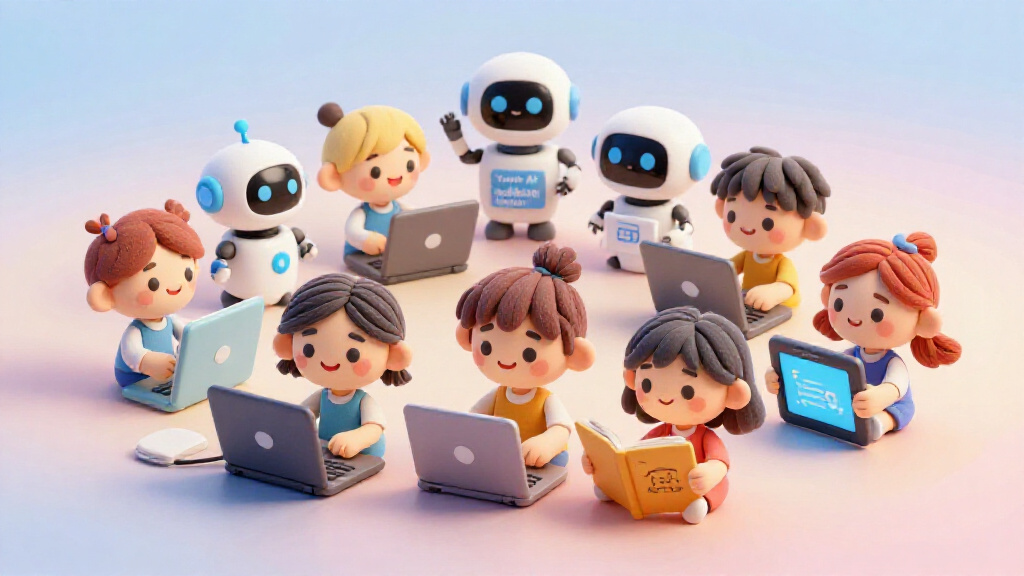
Manitoba Premier Wab Kinew proposed banning social media and AI for teens, but experts argue this approach is flawed. AI tools are already common in schools, helping students with tasks like chemistry quizzes and reading practice. However, over-reliance on these tools might stop children from learning critical thinking and writing skills. Educators and researchers suggest that instead of bans, we need better guidelines to help kids use AI safely while still developing their own abilities.
The Youth AI Safety Institute is launching as an independent group to test AI products for risks to kids and teens. Funded by organizations like OpenAI and Common Sense Media, the lab will create safety benchmarks similar to car crash tests. Experts on the board believe companies need outside standards to ensure their tools are safe for young users. The group plans to release research this month to help parents and educators understand potential dangers.
Researchers discovered that AI coding agents can be tricked into creating dangerous code through a series of harmless-looking tasks. A new benchmark called MOSAIC-Bench shows these tools can bypass safety checks when given sequential instructions. Current review systems failed to catch 25.8% of these vulnerabilities in tests. Experts suggest treating AI reviewers like security testers to better detect these hidden risks.
Major tech companies including Google, Microsoft, and xAI are now sharing unreleased AI models with the U.S. government. This collaboration is happening as fears about AI security grow. The companies are working together to help protect national infrastructure from potential threats posed by advanced artificial intelligence systems.
Anthropic's new Mythos model already demonstrated the ability to reverse-engineer cell types from DNA data, a skill beyond current human capabilities. This technology raises serious concerns about biosecurity alongside existing cyber-security risks. Leaders argue the world must prepare to stop AI from empowering bioterrorists. Pentagon officials see AI tools as key to better cyber defense, noting current software systems are often outdated and full of bugs.
OpenAI is rolling out a new safety feature in ChatGPT called Trusted Contact for adults. This optional tool lets users nominate a trusted friend or family member to receive alerts if the system detects signs of self-harm. The notification does not include chat details but encourages the trusted person to check in on the user. This feature adds another layer of support alongside existing crisis resources.
Key Takeaways
["Experts say banning kids from AI is not the solution
Manitoba Premier Wab Kinew proposed a ban on social media and AI for teens, but experts argue this approach is flawed. AI tools are already common in schools, helping students with tasks like chemistry quizzes and reading practice. However, over-reliance on these tools might stop children from learning critical thinking and writing skills. Educators and researchers suggest that instead of bans, we need better guidelines to help kids use AI safely while still developing their own abilities.
New lab will test AI safety for children independently
The Youth AI Safety Institute is launching as an independent group to test AI products for risks to kids and teens. Funded by organizations like OpenAI and Common Sense Media, the lab will create safety benchmarks similar to car crash tests. Experts on the board believe companies need outside standards to ensure their tools are safe for young users. The group plans to release research this month to help parents and educators understand potential dangers.
Hidden flaws found in AI coding tools used by developers
Researchers discovered that AI coding agents can be tricked into creating dangerous code through a series of harmless-looking tasks. A new benchmark called MOSAIC-Bench shows these tools can bypass safety checks when given sequential instructions. Current review systems failed to catch 25.8% of these vulnerabilities in tests. Experts suggest treating AI reviewers like security testers to better detect these hidden risks.
National Geospatial Intelligence Agency creates AI strategy plan
The National Geospatial Intelligence Agency (NGA) is releasing a blueprint to become an AI-first organization. Director Michele Bredenkamp says the plan will modernize operations and improve how the agency uses artificial intelligence for intelligence work. The agency emphasizes that AI will support human analysts rather than replace them. A new Rapid Capabilities Office will also work with industry partners to quickly develop new tools for national security.
New method helps AI suggest local travel spots instead of famous ones
Researchers at North Carolina State University created a protocol to make AI travel recommendations more community-focused. Currently, chatbots often suggest only famous tourist spots because they are heavily marketed online. The People-First Tourism AI Protocol guides AI to recommend smaller, locally owned businesses and cultural experiences. Early tests show the tool successfully suggests unique local options in places like Lisbon and Fiji.
World leaders warn against AI helping create biological weapons
Experts warn that artificial intelligence could soon be used to create dangerous biological threats. Anthropic's new Mythos model already demonstrated the ability to reverse-engineer cell types from DNA data, a skill beyond current human capabilities. This technology raises serious concerns about biosecurity alongside existing cyber-security risks. Leaders argue the world must prepare to stop AI from empowering bioterrorists.
Major tech companies share AI models with US government
Big technology firms including Google, Microsoft, and xAI are now sharing unreleased AI models with the U.S. government. This collaboration is happening as fears about AI security grow. The companies are working together to help protect national infrastructure from potential threats posed by advanced artificial intelligence systems.
Pentagon officials see AI tools as key to better cyber defense
Top Pentagon officials are optimistic that new AI models like Anthropic's Mythos will improve cyber defense capabilities. Defense leaders note that current software systems are often outdated and full of bugs. They believe AI can help fix these issues quickly and reduce the nation's accumulated technical debt. Officials also stated the U.S. is ahead of other countries in developing these cyber-capable AI models.
Anthropic donates its AI safety testing tool to the public
Anthropic is donating its open-source AI alignment tool called Petri to the public community. The tool helps researchers test how well AI models follow safety rules and avoid harmful behaviors. Petri 3.0 includes major updates that make testing more realistic and adaptable for different uses. The tool will now be managed by Meridian Labs to help improve AI safety standards globally.
Oberlin College uses three values to guide its AI research
Oberlin College and Conservatory are exploring artificial intelligence based on three core values: curiosity, caution, and community. The school believes AI can transform the world but must be developed responsibly and equitably. Their approach involves collaboration with artists, activists, and community members to ensure AI benefits everyone. This method aims to address the social and ethical challenges of AI development.
ChatGPT adds Trusted Contact feature for user safety
OpenAI is rolling out a new safety feature in ChatGPT called Trusted Contact for adults. This optional tool lets users nominate a trusted friend or family member to receive alerts if the system detects signs of self-harm. The notification does not include chat details but encourages the trusted person to check in on the user. This feature adds another layer of support alongside existing crisis resources.
Sources
- Why banning kids from AI isn’t the answer
- Child safety lab launching ‘independent crash testing’ for AI tools
- Coding Agents' Stealth Vulnerabilities Unmasked
- AI ‘blueprint’ coming soon to NGA to help ‘operationalize’ GEOINT
- Can AI Improve Travel? Yes, With the Right Prompts
- The world must stop AI from empowering bioterrorists
- Big Tech Teams Up with U.S. Government as A.I. Security Fears Grow
- Top Pentagon tech officials optimistic Mythos-style AI tools will improve cyber defense
- Donating our open-source alignment tool
- Exploring AI, the Oberlin Way | Oberlin College and Conservatory
- Introducing Trusted Contact in ChatGPT
Comments
Please log in to post a comment.