




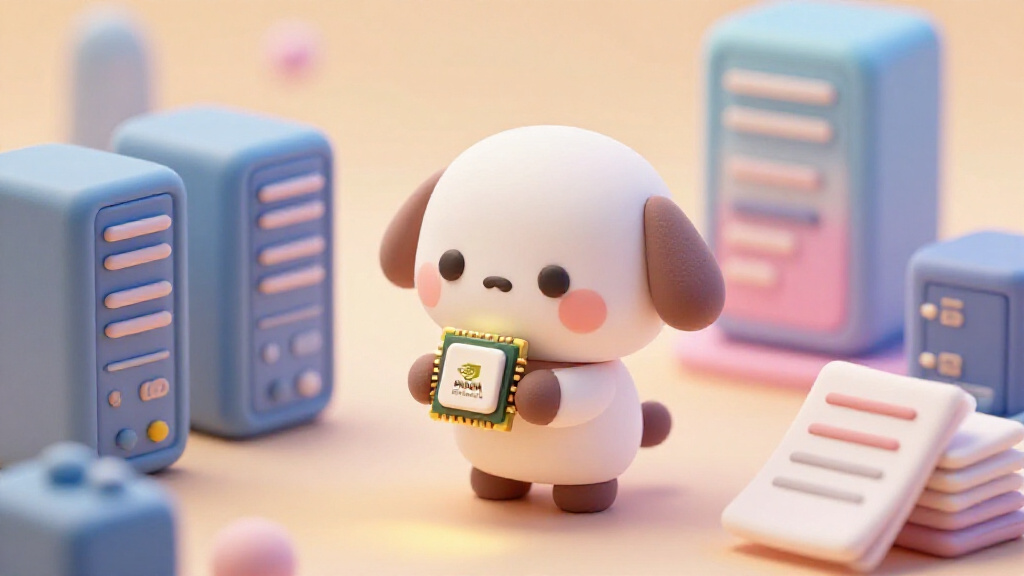
Super Micro Computer is facing significant scrutiny after co-founder Yih-Shyan Liaw, sales manager Ruei-Tsang Chang, and contractor Ting-Wei Sun were indicted for allegedly smuggling Nvidia's powerful AI chips to China. Prosecutors claim the individuals used thousands of dummy servers, altered serial numbers with hair dryers, and forged paperwork to bypass U.S. export controls. Liaw has since resigned from the company's board, and Super Micro has placed him and another employee on leave while terminating ties with the involved contractor. This alleged scheme reportedly generated billions in illicit revenue.
In other major industry news, Oracle is undergoing a substantial strategic shift, investing heavily in AI infrastructure and data centers. The company projects capital expenditures of $50 billion for the current fiscal year, aiming to become a key player in the AI revolution by offering specialized AI agents and sovereign AI solutions. This ambitious pivot has led to investor concerns about high costs and increased debt, causing Oracle's stock to drop nearly 21% in 2026, despite expectations of significant future revenue growth from AI facilities.
The broader AI boom drove technology's contribution to U.S. GDP growth to a record 46% in 2025, surpassing previous peaks like the dot-com era. This surge is fueled by massive investments in AI data centers from companies such as Microsoft, Google, and Amazon, generating substantial economic activity across semiconductors, infrastructure, and real estate. In the semiconductor space, Broadcom stands out as a strong AI stock pick, with its AI semiconductor revenue doubling year-over-year, and it competes with Marvell Technology in providing custom AI chips for hyperscale customers.
However, geopolitical tensions, specifically the conflict in Iran and the blockade of the Strait of Hormuz, pose risks to the AI industry. This situation threatens the global supply of helium and natural gas, impacting South Korea's semiconductor manufacturers like Samsung and SK Hynix, which could lead to increased memory chip costs for AI data centers powering AI operations for companies like OpenAI and Anthropic. Meanwhile, GMO Product Platform is repositioning towards AI-enabled data services in Asia, and companies like Palantir Technologies and BigBear.ai Holdings continue to offer distinct AI solutions for government and enterprise clients.
Key Takeaways
- Super Micro co-founder Yih-Shyan Liaw, sales manager Ruei-Tsang Chang, and contractor Ting-Wei Sun were indicted for allegedly smuggling Nvidia AI chips to China.
- Oracle plans to invest an estimated $50 billion in capital expenditures for the current fiscal year to pivot into AI infrastructure and data centers.
- Oracle's stock dropped nearly 21% in 2026 due to investor concerns about the high costs and increased debt associated with its AI pivot.
- Technology's contribution to U.S. GDP growth reached a record 46% in 2025, driven by the AI boom and investments from Microsoft, Google, and Amazon.
- Broadcom's AI semiconductor revenue doubled year-over-year, positioning it as a leading player in custom AI chip development alongside Marvell Technology.
- The conflict in Iran and the Strait of Hormuz blockade risk disrupting helium supply, potentially increasing memory chip costs for AI data centers used by OpenAI and Anthropic.
- Super Micro's co-founder Yih-Shyan Liaw resigned from the board following the indictment, and the company placed him and another employee on leave.
- GMO Product Platform (3695.T) is repositioning towards AI-enabled data services, combining online panels with automated data collection and analytics.
- Palantir Technologies provides data analytics for government and enterprise, while BigBear.ai Holdings focuses on AI-powered decision-making for defense and intelligence.
- The alleged Nvidia chip smuggling scheme reportedly generated billions in illicit revenue through the use of fake servers, altered serial numbers, and forged paperwork.
Super Micro CEO Addresses Smuggling Scandal, Co-founder Resigns
Super Micro CEO Charles Liang is working to fix the company after co-founder Yih-Shyan Liaw was indicted for allegedly smuggling AI chips to China. Liaw has resigned from the board as the company faces scrutiny over its accounting and compliance. Super Micro shares dropped significantly following the indictment. The company stated the alleged actions violate its policies and compliance controls. This scandal adds to existing accounting concerns that have troubled Super Micro for the past two years.
Super Micro Co-founder Resigns Amid AI Chip Smuggling Charges
Yih-Shyan Liaw, co-founder of Super Micro Computer, has resigned from the company's board following his indictment by U.S. officials for allegedly smuggling advanced AI chips to China. Prosecutors claim Liaw, along with others, used fake servers and altered serial numbers to bypass export controls. Super Micro stated Liaw's resignation was not due to a disagreement with the company. The company has placed Liaw and another employee on leave and terminated ties with a contractor involved in the alleged scheme.
Supermicro Insiders Accused of Smuggling Nvidia AI Chips to China
Three men tied to Super Micro Computer Inc. are accused of a large-scale scheme to smuggle Nvidia's powerful AI chips to China. Prosecutors allege they used thousands of dummy servers and forged paperwork to deceive auditors and bypass U.S. export laws. Co-founder Yih-Shyan Liaw, sales manager Ruei-Tsang Chang, and contractor Ting-Wei Sun allegedly used hair dryers to swap serial numbers on servers. This operation reportedly generated billions in illicit revenue and involved a pass-through company in Southeast Asia.
Oracle's AI Pivot: Is the Stock Undervalued Despite a 21% Drop?
Oracle's stock has fallen nearly 21% in 2026, largely due to investor concerns about its massive pivot into AI infrastructure and data centers. The company is investing heavily, with capital expenditures estimated at $50 billion for the current fiscal year. This strategic shift aims to position Oracle as a major player in the AI revolution, offering services like industry-specific AI agents and sovereign AI solutions. Despite the high costs and increased debt, Oracle expects significant revenue growth in the coming years, driven by demand for AI facilities.
Oracle's AI Ambitions: A Risky Bet on Data Centers
Oracle is undergoing a major transformation, shifting from its traditional database and SaaS business to becoming a large-scale AI infrastructure provider. This ambitious plan involves significant investment in next-generation data centers, with capital expenditures projected to reach $50 billion. The company also aims to develop specialized AI agents and sovereign AI solutions for governments. While this strategic move could drive future revenue growth, it has led to a nearly 21% drop in Oracle's stock price this year due to concerns about the high costs and increased debt.
GMO Product Platform AI Push Drives JPY 2,031 Target
GMO Product Platform, Inc. (3695.T) is repositioning towards AI-enabled data services following its May 2024 rebrand. The company provides audience engagement and survey platforms across Asia. Its strategy combines online panels with automated data collection and analytics to offer AI products for enterprise clients. Analysts have set a target price of JPY 2,031, supported by its AI initiatives. The stock is currently trading near its 52-week low, with upcoming earnings expected on May 12, 2026.
Iran Conflict Risks AI Boom, Disrupts Helium Supply
The conflict in Iran, including the blockade of the Strait of Hormuz, poses significant risks to the AI boom, particularly impacting South Korea's semiconductor industry. South Korean manufacturers rely on Middle Eastern natural gas and helium, with Qatar being a major helium source now inaccessible. This shortage, combined with energy concerns, could disrupt the global supply of memory chips produced by companies like Samsung and SK Hynix. The increased costs for memory chips will likely affect data centers powering AI, making operations more expensive for companies like OpenAI and Anthropic.
Broadcom Outshines ASML as Top AI Stock Pick
Broadcom is presented as a better AI stock investment compared to ASML due to its more attractive valuation and explosive growth. ASML, a key supplier of lithography machines for chip manufacturing, reported record results but trades at a premium valuation. Broadcom, which designs AI accelerators and networking silicon, saw its AI semiconductor revenue double year-over-year. Despite ASML's dominant market position, Broadcom's staggering growth momentum and more reasonable price-to-earnings ratio make it the preferred choice for investors.
AI Drives Record Tech Contribution to US GDP in 2025
Technology's contribution to U.S. GDP growth reached a record high of 46% in 2025, largely driven by the AI boom. This surge in demand for computer and software services surpasses previous peaks, including the dot-com era. Massive investments in AI data centers by companies like Microsoft, Google, and Amazon are creating significant economic activity in semiconductors, infrastructure, and real estate. Analysts believe this represents a structural shift rather than a temporary spike, highlighting the unprecedented economic impact of AI development and deployment.
Broadcom vs. Marvell: Top Choices for AI Semiconductor Stocks
Broadcom and Marvell Technology are leading players in the booming AI semiconductor market. Broadcom offers diverse solutions, including custom AI chips for hyperscale customers, leveraging its established market presence and scale. Marvell focuses on data infrastructure semiconductor solutions, specializing in custom ASICs and networking for AI applications, positioning itself as an agile innovator. Both companies are well-positioned to benefit from the demand for custom AI chips, offering investors distinct opportunities based on their strategies and market focus.
Palantir vs. BigBear AI: Analyzing Two AI Stock Options
Palantir Technologies and BigBear.ai Holdings operate in different segments of the AI market. Palantir provides data analytics platforms for government and enterprise clients, focusing on areas like cybersecurity and supply chain management. BigBear.ai specializes in AI-powered decision-making solutions for defense and intelligence, offering predictive analytics and operational planning tools. Investors may compare their revenue growth, profitability, and market capitalization, with Palantir being larger and BigBear.ai more niche-focused.
Sources
- Super Micro Makes Changes After Smuggling Scandal Crushes Stock
- Super Micro co-founder Liaw resigns from board after US charge for smuggling AI chips to China
- How Supermicro Insiders Allegedly Used Fake Servers and Forged Paperwork to Smuggle Nvidia's Most Powerful AI Chips to China
- Down 21% This Year: Is Oracle the Most Undervalued AI Stock on the Market?
- Down 21% This Year: Is Oracle the Most Undervalued AI Stock on the Market?
- 3695.T GMO Product Platform (JPX) JPY 1720.00: AI unit supports JPY 2,031 target
- Why The Iran War Poses Risks To AI
- ASML vs. Broadcom: Which AI Stock Is a Better Buy?
- AI Boom: 2025 Saw The Highest-Ever Contribution Of Technology To US GDP
- Better semiconductor stock: Broadcom vs. Marvell Technology
- Better AI stock: Palantir vs. BigBear AI
Comments
Please log in to post a comment.