




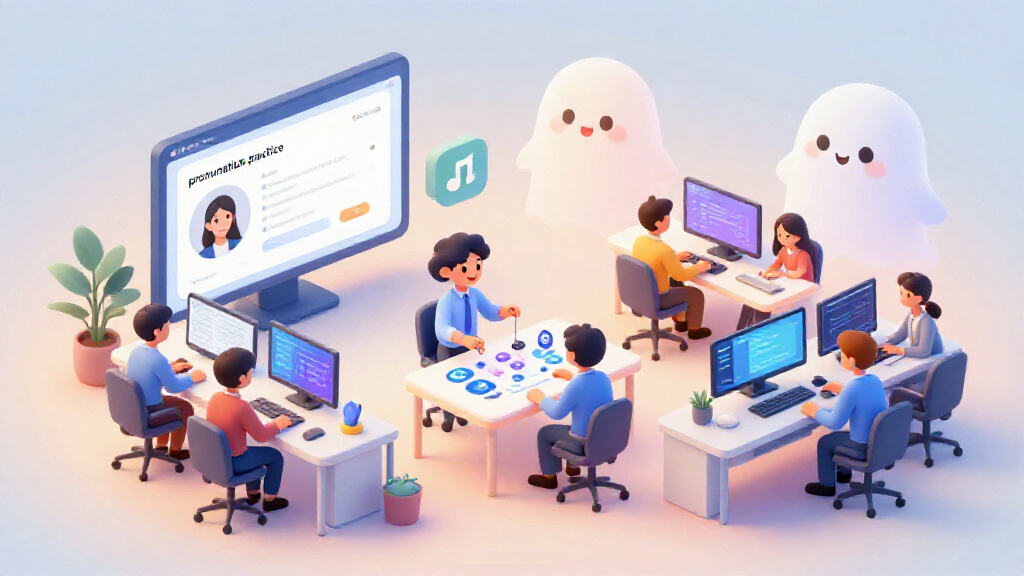
AI is changing the way product managers and engineers work together. According to Eric Zakariasson, an engineer at Cursor, AI tools enable product managers to build interactive prototypes without backend systems. However, engineers need to set clear expectations to improve the workflow.
Google is also leveraging AI to enhance its services. Google Translate has introduced a new AI feature called 'pronunciation practice' that helps users improve their pronunciation by analyzing their voices and providing feedback.
The AI landscape is seeing significant developments from major players. OpenAI is shifting its focus from consumer applications to enterprise solutions, driven by strong business demand for automation and productivity. Meanwhile, Meta is working on frontier AI models, with a clear outlier in its release schedule.
Other notable developments include ElevenLabs launching ElevenMusic, a platform for discovering, remixing, creating, and earning from AI-generated music. Poolside AI has also introduced two agentic coding models, Laguna XS.2 and M.1, which have achieved high scores on SWE-bench Verified.
Demis Hassabis, CEO of Google DeepMind, discusses the current limitations of AI and the path to achieving general intelligence (AGI). He emphasizes the need for continuous learning, long-term reasoning, and sophisticated memory and imagination in AI systems.
In related news, NYC AI startup offices are grabbing Manhattan's most coveted office space, but often, the offices are largely empty. Desks outnumber employees in many cases. Some companies grow into the space, while others just want room to think.
Key Takeaways
* AI tools enable product managers to build prototypes without backend systems, but clear expectations from engineers are crucial for a smooth workflow. * Google Translate introduces 'pronunciation practice,' an AI feature that analyzes users' voices and provides feedback to improve pronunciation. * OpenAI shifts focus from consumer apps to enterprise solutions, driven by strong business demand for automation and productivity. * Meta works on frontier AI models with a unique release schedule. * ElevenLabs launches ElevenMusic for AI-generated music discovery, remixing, creation, and monetization. * Poolside AI introduces Laguna XS.2 and M.1 agentic coding models with high scores on SWE-bench Verified. * Demis Hassabis discusses AI's future, emphasizing continuous learning, long-term reasoning, and sophisticated memory and imagination for general intelligence. * NYC AI startup offices often have more desks than employees, reflecting a shift in how tech companies use office space. * AI-native cybersecurity involves building intelligence into the core architecture for a more adaptive security posture. * Using AI for estate planning poses hidden risks, and consulting an attorney is recommended for secure planning.AI Lets Product Managers Build Prototypes, But Engineers Need to Set Clear Expectations
AI is enabling product managers to build prototypes more easily, but engineers need to set clear expectations to improve the workflow. According to Eric Zakariasson, an engineer at Cursor, AI tools let product managers create interactive prototypes without backend systems. However, engineers should set clear expectations to make the process smoother.
Cursor Engineer: AI Lets PMs Build Prototypes, But Clear Expectations Are Key
A Cursor engineer says AI-assisted coding tools enable product managers to build prototypes without touching backend systems. However, setting clear expectations between engineering and product teams can help smooth workflows. This comes as roles of product managers and engineers shift in the AI era.
NYC AI Startup Offices Are Flashy but Mostly Empty
AI firms are grabbing Manhattan's most coveted office space, but often, the offices are largely empty. Desks outnumber employees in many cases. Some companies grow into the space, while others just want room to think. The trend reflects a broader shift in how tech companies use office space.
Google Translate Adds AI Pronunciation Training
Google Translate is introducing a new AI feature to help users improve their pronunciation. The tool, called 'pronunciation practice,' is available on Android and will soon expand to iOS. It analyzes users' voices, provides feedback, and offers guidance to help learners refine their speech.
AI-Native Cybersecurity: Built-In, Not Bolted On
AI-native cybersecurity involves building intelligence into the core architecture, not just adding AI features as an afterthought. This approach creates a more adaptive and defensible security posture. Companies are rethinking traditional roles and using AI to enhance security.
ElevenLabs Launches ElevenMusic for AI-Generated Music
ElevenLabs has launched ElevenMusic, a platform for discovering, remixing, creating, and earning from AI-generated music. The platform allows users to interact with AI-generated music and offers a monetization angle for creators.
Poolside AI Introduces Laguna XS.2 and M.1 Agentic Coding Models
Poolside AI has released two agentic coding models, Laguna XS.2 and M.1, which have achieved high scores on SWE-bench Verified. These models use a Mixture-of-Experts approach and are designed for efficient coding.
Is Using AI to Plan Your Will Safe?
Using AI to plan your will may seem convenient, but it poses hidden risks. AI chats and documents may not be confidential and can be requested later in disputes. It's essential to consult with an attorney to ensure your estate planning is secure.
Demis Hassabis on AI's Future
Demis Hassabis, CEO of Google DeepMind, discusses the current limitations of AI and the path to achieving general intelligence (AGI). He emphasizes the need for continuous learning, long-term reasoning, and sophisticated memory and imagination in AI systems.
Frontier AI Model Release Pace Accelerating
The pace of frontier AI model releases is accelerating, with the median gap between releases dropping to 11 days in 2026. OpenAI leads with the fastest release schedule, while Meta is the clear outlier with much longer gaps.
OpenAI Hits Back at Growth Fears, Cites Business Demand
OpenAI addresses growth fears by highlighting strong business demand for its AI technologies. The company is expanding its focus from consumer applications to enterprise solutions, driven by the need for automation and productivity.
Sources
- PMs can code with AI but engineers must set expectations: Cursor staff
- A Cursor developer says engineers need to set 'clear expectations' as AI lets product managers build prototypes
- Why AI Startup Offices in NYC Are Flashy but Mostly Empty
- Google Translate Adds AI Pronunciation Training as It Expands into Language Learning
- AI-Native Cybersecurity: Built In, Not Bolted On
- ElevenLabs Launches ElevenMusic, A Platform To Create And Discover AI-Generated Music
- Poolside AI Introduces Laguna XS.2 and M.1: Agentic Coding Models Reaching 68.2% and 72.5% on SWE-bench Verified
- Is Using Artificial Intelligence to Plan Your Will Safe?
- Demis Hassabis on AI's Future: Beyond Current Models
- Frontier Labs Are Releasing New Models Faster Than Ever, Shows Data
- OpenAI Hits Back at Growth Fears, Cites Business Demand
Comments
Please log in to post a comment.