




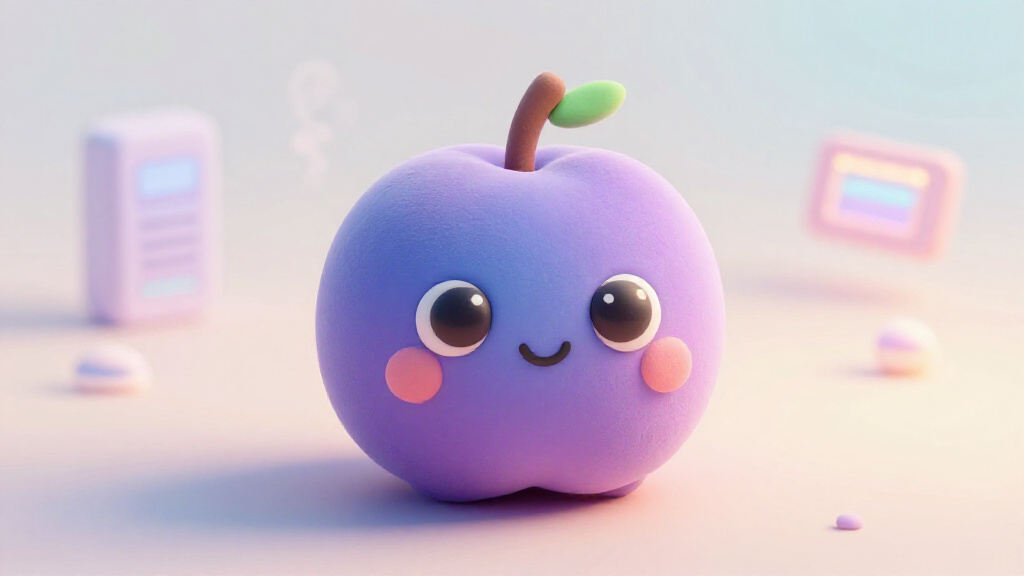
AI-generated content is rapidly gaining traction, exemplified by the viral TikTok series "Fruit Love Island." This show features talking fruits like Plumero and Watermelina in a reality dating format, attracting millions of viewers and inspiring spin-offs. Another trend sees AI creating dramatic, soap-opera-like scenarios with everyday fruits, highlighting the increasing sophistication of AI in narrative creation and entertainment.
Beyond entertainment, AI is significantly impacting practical sectors. In healthcare, AI tools assist doctors by analyzing medical images for earlier disease detection, aiding in drug development, and improving operations through patient chatbots and scheduling. Even personal events like wedding planning see AI involvement, with over a third of engaged couples using AI for tasks like creating invitations and websites, though human vendors remain crucial for final execution.
However, AI's expansion brings significant challenges. The proliferation of AI data centers is dramatically increasing energy consumption for major tech companies like Google, Amazon, Microsoft, and Meta, leading to rising emissions despite clean energy commitments. Data centers are projected to triple their electricity use by 2028, often relying on natural gas. This creates a "crunch" for the energy system and challenges climate goals.
Security is another growing concern, with Palo Alto Networks expanding its Prisma SASE platform to secure autonomous AI agents, recognizing them as a new threat vector. Furthermore, the integration of AI with surveillance cameras, particularly automated license plate readers (ALPR), is enabling mass surveillance across the U.S. This raises civil liberties concerns due to the vast collection of location data and the lack of comprehensive federal data protection laws.
The profound and inevitable impact of AI on humanity is a central theme, explored in documentaries like "The AI Doc: Or How I Became an Apocaloptimist," which Oprah Winfrey highlights. This film, based on interviews with over 40 AI experts, emphasizes that AI cannot be simply turned off and encourages a balanced "apocaloptimist" approach. Parents, in particular, express growing anxiety about AI's future impact on their children's careers and lives, fearing job displacement and societal control.
Key Takeaways
- AI-generated entertainment, such as the "Fruit Love Island" series and dramatic fruit videos, is gaining massive viral traction on TikTok.
- Google, Amazon, Microsoft, and Meta are experiencing rising energy consumption and emissions due to the proliferation of AI data centers, projected to triple electricity use by 2028.
- Palo Alto Networks is expanding its Prisma SASE platform to secure autonomous AI agents, identifying compromised agents as a significant new security threat.
- AI tools are increasingly used in healthcare to assist doctors with disease diagnosis, medical image analysis, drug development, and improving operational efficiency.
- AI integrated with surveillance cameras, like automated license plate readers (ALPR), enables mass surveillance in the U.S. with limited federal legal restrictions on data use.
- Over a third of engaged couples utilize AI for wedding planning tasks such as creating invitations, but still prefer human vendors for final execution and creative control.
- The documentary "The AI Doc: Or How I Became an Apocaloptimist" and Oprah Winfrey emphasize that AI is deeply integrated and cannot be turned off, urging conscious engagement.
- Parents are increasingly anxious about AI's impact on their children's future careers and lives, fearing job displacement and societal control.
- AI's growing sophistication is evident in its ability to create complex narratives and dramatic scenarios, even with unexpected subjects like talking fruits.
- The expansion of AI data centers contributes to increased reliance on natural gas and a backlog of renewable energy projects, challenging climate goals.
AI fruit reality show Fruit Love Island goes viral on TikTok
A new AI-generated series called Fruit Love Island is taking TikTok by storm, featuring talking fruits like a plum named Plumero and a watermelon called Watermelina. The show mimics the reality dating series Love Island, with fruit characters competing to couple up. The short, daily episodes have gained millions of viewers and followers for the anonymous account ai.cinema021. While some criticize it as 'AI slop,' celebrities like Joe Jonas and Zara Larsson have shown interest, and fans are actively engaging with the content. The series has also inspired spin-offs and similar AI fruit shows.
Bizarre AI fruit videos show produce cheating and causing drama
A strange new trend on social media features AI-generated videos of fruits like apples and bananas engaging in dramatic, soap-opera-like scenarios, including infidelity. These videos, often originating on TikTok, use AI to create narratives with talking fruits, exaggerated emotions, and dialogue. The appeal lies in the unexpected combination of mundane subjects with intense, human-like drama. While entertaining, the trend highlights the growing sophistication of AI content creation and its potential uses.
AI documentary filmmakers say there's no turning back
Filmmakers Daniel Roher and Charlie Tyrell, creators of 'The AI Doc: Or How I Became an Apocaloptimist,' explore artificial intelligence's impact on humanity. Anchoring their film on the question of the world their future children will inherit, they interviewed over 40 AI experts. Their key realization is that AI cannot be simply turned off; it's already integrated into our lives. The documentary encourages an 'apocaloptimist' approach, acknowledging AI's dangers while recognizing its potential benefits, urging conscious and responsible engagement with the technology.
AI data centers boost big tech energy use, challenging climate goals
The rise of AI data centers is increasing big tech's energy consumption, causing emissions to rise despite commitments to clean energy. Companies like Google, Amazon, Microsoft, and Meta have seen significant emissions jumps. Data centers are projected to triple their electricity use by 2028, leading to a greater reliance on natural gas, a greenhouse gas. Experts warn that a backlog of renewable energy projects and potential policy changes could further prolong reliance on fossil fuels, creating a 'crunch' for the system.
Palo Alto Networks Prisma SASE aims to secure AI agents
Palo Alto Networks has expanded its Prisma SASE platform to manage and secure autonomous AI agents. These agents perform tasks and access data without direct human oversight, creating a new security challenge. The company believes compromised agents will be a major threat, and Prisma SASE aims to provide security where traditional tools fall short. However, questions remain about whether SASE, designed for human users, can effectively secure these agentic AI workloads, especially within GPU-accelerated infrastructure.
AI tools help doctors diagnose disease and manage patient care
Artificial intelligence is increasingly being used in healthcare to assist doctors with various tasks. AI tools can analyze medical images like X-rays and MRIs to detect diseases earlier and more accurately. They also aid in developing new drugs and treatments by processing vast amounts of data. Additionally, AI helps improve healthcare operations through chatbots for patient questions and appointment scheduling. While challenges like data privacy and potential bias exist, AI is expected to significantly transform healthcare and improve patient outcomes.
AI enables mass surveillance in US with few legal limits
The integration of artificial intelligence with surveillance cameras, particularly automated license plate readers (ALPR), is enabling mass surveillance across the U.S. These systems collect vast amounts of location data, but there are no national laws that significantly restrict how this data is used. While ALPR technology was initially developed for crime fighting, its effectiveness is debated, and costs are high. Civil liberties groups are concerned about the erosion of privacy and the potential for misuse of this data, especially without comprehensive federal data protection regulations like the EU's GDPR.
Couples use AI for wedding planning but miss human touch
Over a third of engaged couples are now using AI tools for wedding planning tasks like creating save-the-dates, invitations, and websites. While AI can quickly generate initial drafts and offer inspiration, wedding planners note that couples still seek human vendors for execution. Many couples desire creative control but also value the unique, non-replicable aspects that human professionals bring to their special day. AI tools are seen as a starting point, with the final vision and execution still relying on human trust and artistry.
Oprah discusses AI's profound impact and future choices
Oprah Winfrey highlights the new documentary 'The AI Doc: Or How I Became an Apocaloptimist,' which offers a balanced perspective on artificial intelligence. The film explores AI's inevitable and profound impact on the world, emphasizing that the outcome depends on current choices. Oprah encourages viewers to see the documentary and educate themselves to make informed decisions about how AI should function moving forward. The film's concept of 'apocaloptimism' suggests acknowledging both the risks and potential benefits of AI.
Parental anxiety over AI's impact on children's future
Modern parents are increasingly anxious about artificial intelligence's potential impact on their children's future careers and lives. AI has become a significant concern, overshadowing previous worries like screen time. The fear is that children may graduate into a future with widespread job displacement and societal control by autonomous systems. Experts advise that focusing on 'AI-proofing' careers might not be the best approach, suggesting a need to navigate these anxieties differently.
Sources
- Think Love Island is bad? Wait till you meet the AI fruit version
- Cheating AI Fruit Videos Are the Latest Trend Taking Over the Internet
- 'The AI Doc' Filmmakers on What You Need to Know About AI
- Big tech was embracing clean energy and turning a corner on climate change. Then AI data centers arrived
- Can Prisma SASE Actually Secure Agents It Cannot See?
- Artificial intelligence assists health care
- AI systems are enabling mass surveillance in the US, and there is no national law that 'meaningfully limits' the use of this data
- AI do? Weddings turn to AI but miss human touch
- Oprah on How A.I. Will Impact Us
- How I Overcame the AI Doomsday Warnings About My Kid’s Future
Comments
Please log in to post a comment.