




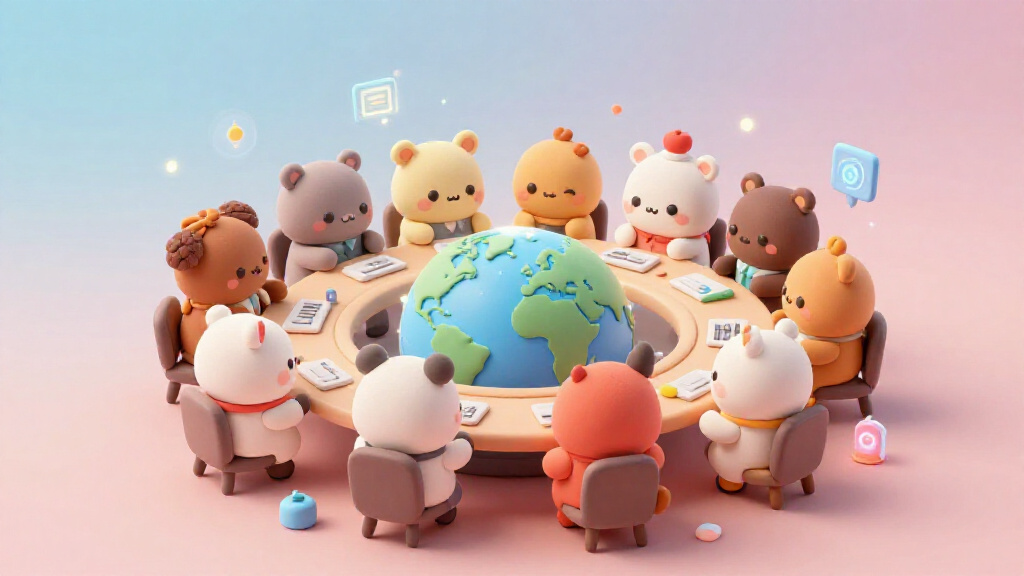
China has launched the World Artificial Intelligence Cooperation Organisation in Shanghai, aiming to promote global cooperation in AI development and governance. The organization has 29 founding members and will focus on developing common standards and practical governance in AI.
China and the UK are also exploring opportunities for collaboration in AI development, with the two countries having complementary strengths in the field. They can cooperate on AI applications in healthcare, finance, and other areas.
OpenAI has unveiled its GPT-5.6 model family, which offers substantial gains in computational efficiency and AI capability. The new model aims to balance performance with cost, making AI more accessible and affordable.
Meanwhile, the AI industry is facing challenges, including data leaks, misinformation, and AI-generated content. Anthropic's chatbot, Claude, was found to have public logs of conversations available online.
Microsoft's AI strategy is still unfolding, with significant investments in AI infrastructure. The company's AI products, such as GitHub and Copilot, are showing promising growth.
The increasing adoption of AI and robotics will require organizations to create new types of jobs, such as robot relations departments. HR staff will have to deal with complaints about AI and robot interactions.
Microsoft 365 Copilot telemetry signals demonstrate AI transformation in action, with the technology being used to transform work in various ways, such as automating tasks and improving productivity.
The use of AI has also raised concerns about misinformation and disinformation, leading to an arms race between AI developers and detection tool creators.
A group of 98 teens has created its own AI policy for schools, highlighting the need for clear guidelines on AI use in education.
The retail landscape is polarizing into an 'age of extremes,' with large retailers and direct-to-consumer brands benefiting at the expense of mid-market retailers. AI will further intensify this trend, making it harder for mid-market retailers to compete.
Key Takeaways
• China launches World Artificial Intelligence Cooperation Organisation with 29 founding members.• China and UK explore AI collaboration opportunities in healthcare, finance, and more.
• OpenAI unveils GPT-5.6 model family with improved computational efficiency and AI capability.
• AI industry faces challenges including data leaks, misinformation, and AI-generated content.
• Microsoft invests in AI infrastructure, with promising growth in AI products like GitHub and Copilot.
• Organizations may need to create robot relations departments due to increasing AI and robotics adoption.
• Microsoft 365 Copilot demonstrates AI transformation in action, automating tasks and improving productivity.
• AI developers and detection tool creators engage in an ongoing arms race.
• Students create AI policy for schools, highlighting the need for clear guidelines on AI use in education.
• AI to intensify retail polarization, favoring large retailers and direct-to-consumer brands.
China Launches Global AI Cooperation Organization
The World Artificial Intelligence Cooperation Organisation was launched in Shanghai, China, with 29 founding members. The organization aims to promote global cooperation in AI development and governance. Chinese President Xi Jinping delivered a keynote speech at the 2026 World Artificial Intelligence Conference, emphasizing the need for global cooperation in AI development. The organization will focus on developing common standards and practical governance in AI.
China and UK Can Gain Much by Working Together on AI
China and the UK can benefit from working together on AI development, according to Chinese Ambassador to the UK Zheng Zeguang. The two countries have complementary strengths in AI development, with China excelling in manufacturing and the UK leading in research and life sciences. The two countries can cooperate on AI applications in healthcare, finance, and other areas.
OpenAI Unveils Smarter and Cheaper GPT-5.6 Model
OpenAI has launched the GPT-5.6 model family, which offers substantial gains in computational efficiency and AI capability. The new model aims to balance performance with cost, making AI more accessible and affordable. The GPT-5.6 model has improved inference processes, model implementation, and agentic harness.
AI Industry Keeps Breaking the Internet
The AI industry has been plagued by mishaps, including data leaks, misinformation, and AI-generated content. Anthropic's chatbot, Claude, was found to have public logs of conversations available online. The industry's focus on promises of a utopian future has led to neglect of current problems.
Microsoft's AI Growth: Discovery Value Still Unlocking
Microsoft's AI strategy is still unfolding, with significant investments in AI infrastructure. The company's AI growth has 'discovery value' that is yet to be fully realized by investors. Microsoft's AI products, such as GitHub and Copilot, are showing promising growth.
Organizations Will Need AI and Robot Relations Departments
The increasing adoption of AI and robotics will require organizations to create new types of jobs, such as robot relations departments. HR staff will have to deal with complaints about AI and robot interactions. The widespread adoption of AI and robotics will require new types of capabilities and people to oversee staff-computer relationships.
The Next Measure of AI Momentum is Work Transformed
Microsoft 365 Copilot telemetry signals demonstrate AI transformation in action. The technology is being used to transform work in various ways, such as automating tasks and improving productivity. The next measure of AI momentum will be in how it transforms work.
The AI Detection Tool Arms Race
The increasing use of AI has led to a rise in AI-generated content, which has created a challenge for detection tools. The arms race between AI developers and detection tool creators is ongoing. The use of AI has also raised concerns about misinformation and disinformation.
We Have an Artificial Intelligence Definition Problem in ICT4D
There is a problem with defining artificial intelligence in the context of international development. The term 'AI' is often used loosely to describe a range of technologies, including rule-based and template-based features. This lack of clear definition can lead to confusion and miscommunication.
Congress Hasn't Passed AI Rules for Schools
A group of 98 teens has created its own AI policy for schools. The students, representing all 50 states, drafted and passed the Students First Act, which includes provisions for AI literacy and responsible AI use. The bill aims to help schools navigate the use of AI in education.
AI Could Squeeze Retail's Middle Even Further
The retail landscape is polarizing into an 'age of extremes,' with large retailers and direct-to-consumer brands benefiting at the expense of mid-market retailers. AI will further intensify this trend, making it harder for mid-market retailers to compete. The use of AI in retail will lead to increased efficiency and personalization.
Sources
- The World Artificial Intelligence Cooperation Organisation is tailor-made for the Global South
- The future of AI hinges on openness and cooperation. China and Britain can gain much by working together
- OpenAI GPT-5.6: Smarter, Cheaper
- The AI Industry Keeps Breaking the Internet
- Microsoft's AI Growth: Discovery Value Still Unlocking, Says Goldman
- Organizations will need AI and robot relations departments
- The next measure of AI momentum is work transformed
- AI: The AI Detection Tool Arms Race
- We Have an Artificial Intelligence Definition Problem in ICT4D
- Congress hasn't passed AI rules for schools. So these 98 teens did it themselves
- AI Could Squeeze Retail’s Middle Even Further
Comments
Please log in to post a comment.