




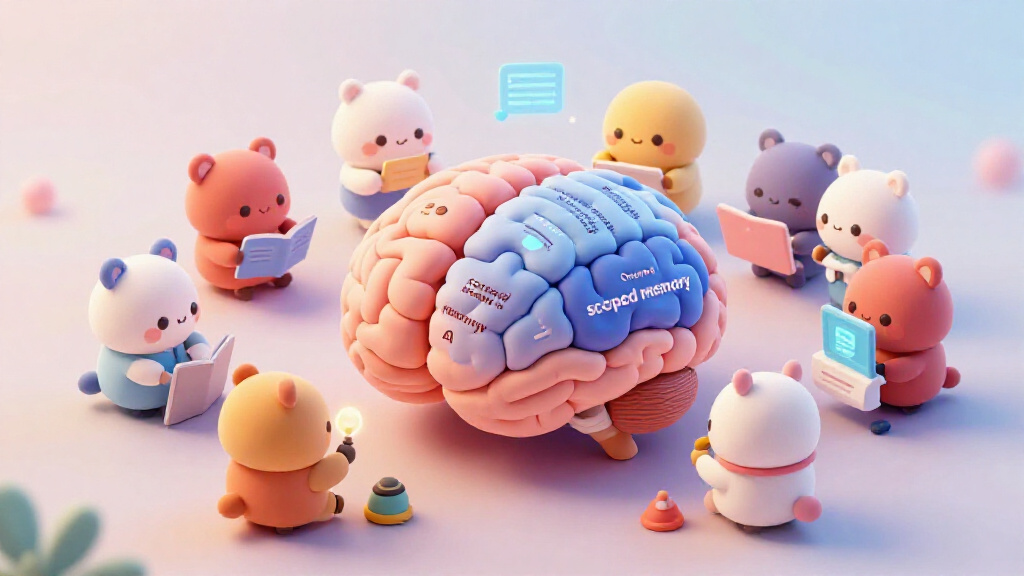
AI products are struggling with memory management, lacking policies on what to store, for how long, and why. This leads to issues with temporal reasoning and relevance decay. Researchers propose a framework with five principles for managed AI memory, including scoped memory and decay by relevance.
Clinical foundation models pose a risk of disclosing sensitive training artifacts, enabling patient re-identification. A practical framework is proposed to assess privacy risk, including realistic leakage scenarios and complementary technical and legal mitigations.
Teens have created a non-profit, 'Tech of Tomorrow', offering free AI courses to boost digital literacy in local schools. The organization aims to empower youth to use AI safely and effectively.
The rapid development of AI is creating new cyber threats, giving security leaders decision fatigue. Companies have a short window before malicious hackers get capable AI models. AI is being used in cyber attacks, making them increasingly common and sophisticated.
Novo Nordisk is expanding its use of AWS artificial intelligence tools across drug discovery, including AI agents for target identification, therapy design, and research workflows. This partnership aims to reduce handoffs between computational analysis and laboratory research.
Anthropic's Claude AI will now explicitly label its generated content, addressing concerns about AI-generated text being indistinguishable from human writing. This feature aims to promote transparency and trust in AI-generated content.
OPO is integrating AI into its trading platform to help traders interpret and use information effectively. This AI-first strategy reflects a broader shift in retail trading, where companies compete on helping traders understand and use available information.
Amazon and other tech companies are working on AI security research. A security researcher used an AI system to identify hundreds of websites vulnerable to HTTP request smuggling. The AI system was guided by a human and proposed novel desync triggers and techniques.
Tech experts warn against using an AI clone of a murdered woman's voice in court, citing concerns about the potential impact on jurors. The AI-generated voice was created using a software tool from ElevenLabs.
Key Takeaways
• AI products lack memory management policies, leading to issues with temporal reasoning and relevance decay. • A new framework proposes five principles for managed AI memory, including scoped memory and decay by relevance. • Clinical foundation models pose a risk of disclosing sensitive training artifacts, enabling patient re-identification. • A practical framework is proposed to assess privacy risk in clinical foundation models. • Teens create non-profit 'Tech of Tomorrow' to offer free AI courses and boost digital literacy. • AI cyber threats are giving security leaders decision fatigue, with companies having a short window before malicious hackers get capable AI models. • Novo Nordisk partners with AWS to expand AI use in drug discovery. • Anthropic's Claude AI will explicitly label its generated content to promote transparency. • OPO integrates AI into its trading platform to help traders interpret and use information effectively. • Tech experts warn against using an AI clone of a murdered woman's voice in court.AI Products Lack Memory Management
AI products can store information across sessions, but they lack policies to govern what to store, for how long, and why. This leads to issues with temporal reasoning and relevance decay. A new framework proposes five principles for managed AI memory, including scoped memory, decay by relevance, and tagging every memory with its origin. These principles aim to address the foundational problem of AI products not recognizing the difference between current and stale information.
Protecting Patient Privacy in Clinical Foundation Models
Clinical foundation models trained on large-scale patient data pose a risk of disclosing sensitive training artifacts, enabling patient re-identification. Existing frameworks offer limited guidance for such indirect threats. A practical framework is proposed to assess privacy risk in clinical foundation models, including realistic leakage scenarios and complementary technical and legal mitigations.
Teens Create Non-Profit for AI Education
A local non-profit created by teenagers offers free AI courses to boost digital literacy in local schools. The organization, 'Tech of Tomorrow', aims to empower youth to feel confident in using AI safely and effectively. The courses are designed to educate students on AI and digital literacy.
AI Cyber Threats Give Security Leaders Decision Fatigue
The rapid development of artificial intelligence is creating a new breed of cyber threats, giving security leaders decision fatigue. Companies have a short window before malicious hackers get capable AI models. The use of AI in cyber attacks is becoming increasingly common and sophisticated.
The Future of AI Security Research
The future of AI security research is human-amplified, not autonomous. A security researcher used an AI system to identify hundreds of websites vulnerable to HTTP request smuggling. The AI system was guided by a human and proposed novel desync triggers and techniques.
Tech Experts Warn Against Using AI Clone of Murdered Woman's Voice
Tech experts warn against using an AI clone of a murdered woman's voice in court, citing concerns about the potential impact on jurors. The AI-generated voice was created using a software tool from ElevenLabs.
Novo Nordisk and AWS Partner on AI Drug Discovery
Novo Nordisk is expanding its use of AWS artificial intelligence tools across drug discovery, including AI agents for target identification, therapy design, and research workflows. The partnership aims to reduce handoffs between computational analysis and laboratory research.
Claude AI Labels Generated Content
Anthropic is introducing a feature that allows its Claude AI to explicitly label its own generated content, addressing growing concerns about AI-generated text being indistinguishable from human writing.
OPO's AI-First Strategy in Retail Trading
OPO is integrating AI into its trading platform to help traders interpret and use information effectively. The company's AI-first strategy reflects a broader shift in retail trading, where companies are competing on how effectively they help traders understand and use available information.
Sources
- AI Products Have Memory - They Don't Have Memory Management
- Protecting patient privacy in clinical foundation models: Technical and legal perspectives
- Teen-built non-profit offers free AI courses to boost digital literacy in local schools
- AI cyber threats give security leaders decision fatigue
- The future of AI security research isn’t autonomous, it’s human-amplified
- Tech experts warn against using AI clone of murdered woman's voice in court
- Novo Nordisk and AWS bring agentic AI into drug discovery
- Claude AI Marks Content
- How OPO's AI-First Strategy Reflects a Broader Shift in Retail Trading
Comments
Please log in to post a comment.